!Ancestors_Story:
@leonard !ancestors_story (&19520609) (#ancestors: #basque: #gipuzkoa: #urola_valley: #baserriak: #goenaga; #cuba: #sagua_la_grande: #father: #ricardo;)
Greetings Friend,
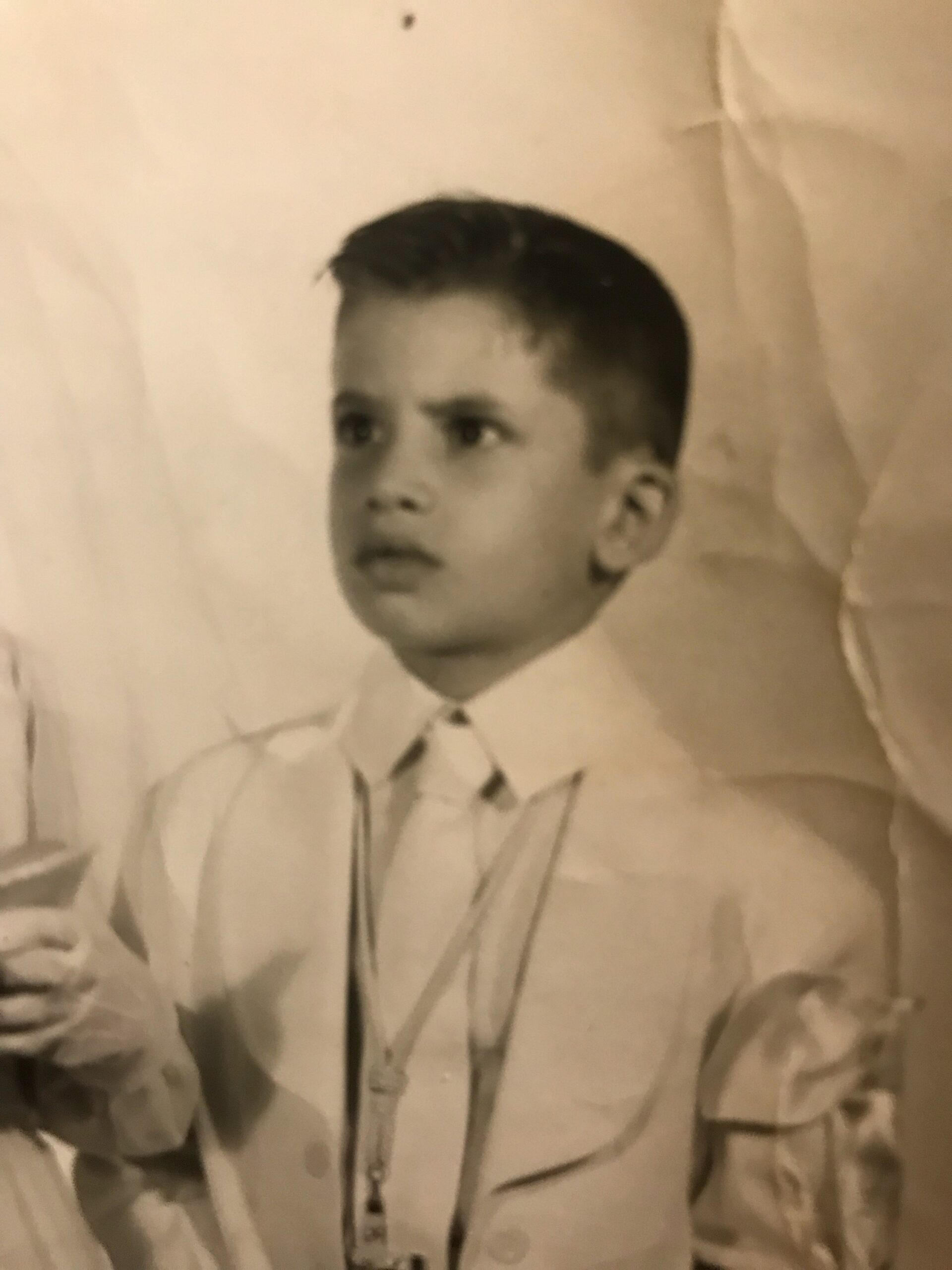
On &19520609, my father @Ricardo Jose Goenaga was born in his #home at 179 Placido Street, Sagua la Grande, Cuba. Recently, I asked him to tell me what his childhood was like. It was tough!11 Conversation with my father, Ricardo Jose Goenaga, on &20230505:
@Leonard: “Papi, what was your childhood like?”
@Ricardo: “Que?”
@Leonard: “I’ve been wanting to ask you, what was it like growing up as a child? What do you remember? Like, do you have any stories about coming here or anything?”
@Ricardo: “I came here without my mom and half a dad.”
@Leonard: “Wait, I didn’t know your father came up with you. Abuela stayed behind?”
@Ricardo: “Yes.”
:: @Ricardo is visibly agitated and uncomfortable at this point. @Leonard makes the visual assessment, and decides to change subject about his parents. ::
@Leonard: “So, Papi, what was it like growing up in Miami?”
@Ricardo: “It was tough, Papa, ((Papa, pronounced “pah-pah,” is an endearing nickname he has for me. He speaks it with a heavy Cuban spanish accent, and a kind fatherly tone.)) it was tough. I didn’t have a room I had a porch, outside. Like this big.”
:: @Ricardo gestures the length of the table we’re seated oppositely at. :: “I slept on a couch in the porch.”
@Leonard: “That’s right, I remember you telling me this. You slept on a couch outside in a porch. That must have been very difficult.”
@Ricardo: “As a kid I would have to go to the street to get food. I don’t like to think about it. It was hard. I had to survive.”
When my children ask me what my childhood was like, I’m grateful to God and my parents that it was far more positive and playful than my father’s. However, it begs the question: what stories should I tell them? If something were to happen to me tomorrow, what would go with me to my grave? Do they know where they came from? Have they a sense of the great labors of my life? Do they truly know how much I love them? Truly? The future is far too nebulous—and the past too vaporous—to leave the risk unchallenged to chance in my mind. And so, this project was born: RGBY.org.22 As of this writing, &20260318, this project is nearly 5 years in the making. Since the events of !Day_1_Story, I have spent the past 5 years meditating on the major !Theology_of_Play themes. Throughout that period, I have worked occasionally on this project. Once on New Years I challenged myself to create the logo in an hour and the site in a day. Other periods I have organized photos into albums. Much have I sat in pre-sunrise mornings to pray and meditate on the nature of this project and its themes. It’s a joy to finally bring it to fruition these five years later.
Whether for the memories of my children, or my own,33 As future stories will attest to, COVID-19 was an incredible challenge. It brought with it significant neurological disorder that manifested itself in anosmia, loss of spatial awareness, difficulty with language, etc. The realization I had was that the mind too is subject to biological entropy. All that work towards sculpting a PhD mind could vanish merely from inflammation. Already being neurologically-non-normative, I could very well imagine what the experiential onset of something like Alzheimer’s could be to one’s memory and sense of being. I saw the value of using my trade-talents to construct something that I could enjoy and use to re-remember. this project serves as a backup of my memory. Of the things I value most. Of the stories I would want my kids to have if I was not here to share them. Thus, it records memories in three ways: 1) Writing with code (“&RGBY”);44 I created a mnemonic coding language called &RGBY that serves to track end expediate data transfer of the major sensory and syntactical elements of spatial memory in a type of shorthand that triggers actual remembering. It looks like this: @leonard !ancestors_story (&19520609) (#ancestors: #basque: #gipuzkoa: #urola_valley: #baserriak: #goenaga; #cuba: #sagua_la_grande: #father: #ricardo;) 2) Writing with prose (“story”);55 Given how narrative-focused memory is, I also utilize story-centric prose to detail my observations and inner workings during lived-out theological experiences. In particular, my primary subject matter is God. I am attempting to be a real theologian, morning and evening. Prose enables for articulating the most intimate of sentiments and intentions during worship and experience. and, 3) Writing with light (“photography”).66 In an attempt to live and articulate real theology, I have desired to search out communicative mediums that enable as much immersion into actual episodes as possible. Few of the arts can capture immersive moments of time as photography. Rather than trying to take good photos, I attempt here to take photos of the good. Photos that are genuine attempts to capture simply what I am beholding before me. Taken together, the three serve the purpose of helping immerse one in a real memory. It also formulates the basic structure of the stories that populate these pages.
This project is both art and theology before an audience of One. The performances of a bard truly after the LORD’s heart. Ethics, done live, to the glory of God. A theology of play.
With that prelude to the !Prelude complete,77 The narrative for the entirety of this project comes in three parts: First, the 7 !Prelude stories, which provide helpful historical context for the later narrative episodes; second, the 24 !Theology_of_Play stories, which detail the first 24 days that followed the prismatic lightning bolt episode in which I wrote “Theology of Play”; and third, the 365 !RGBY stories, which detail 365 stories that occurs there-after. I can now tell you about my ancestors: the @Goenagas.
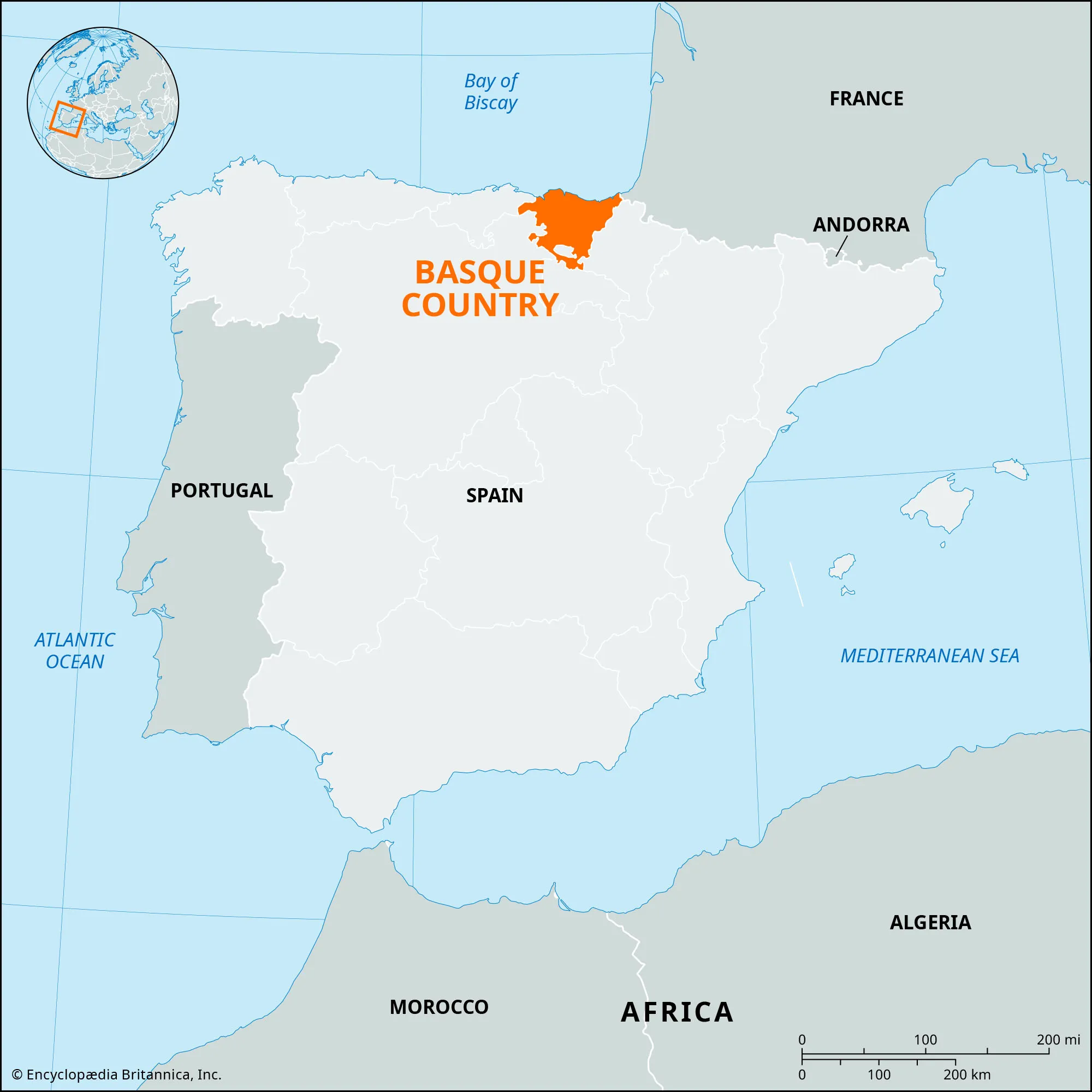
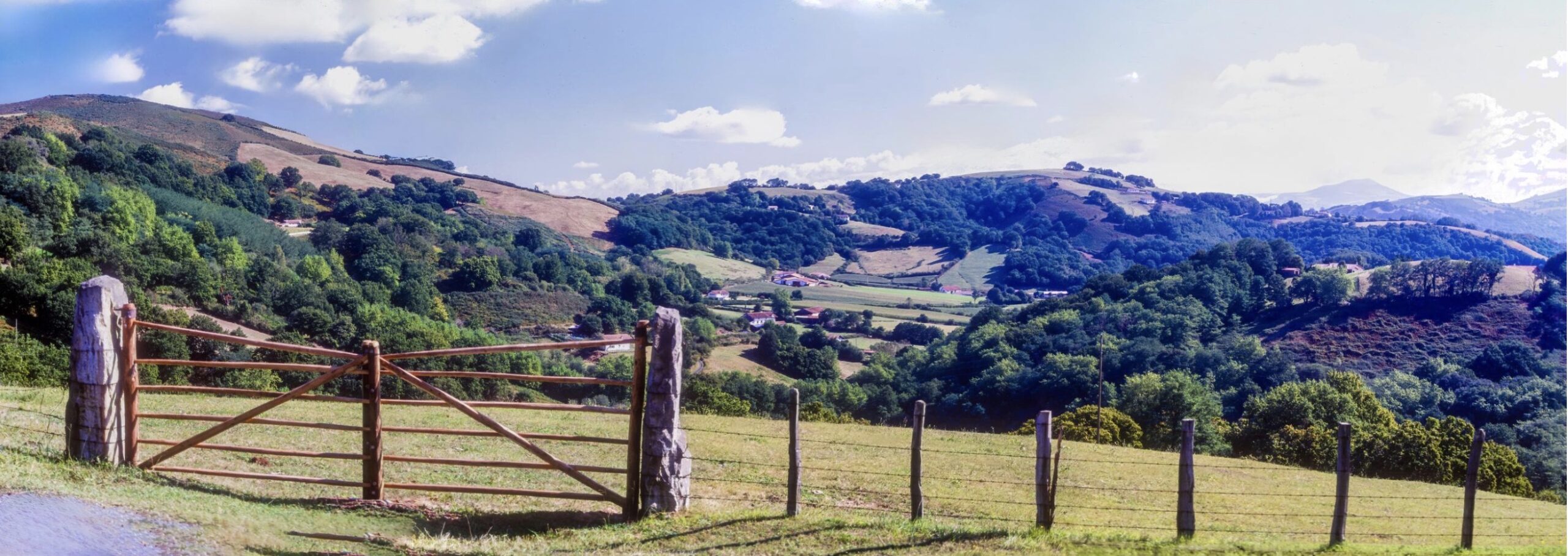
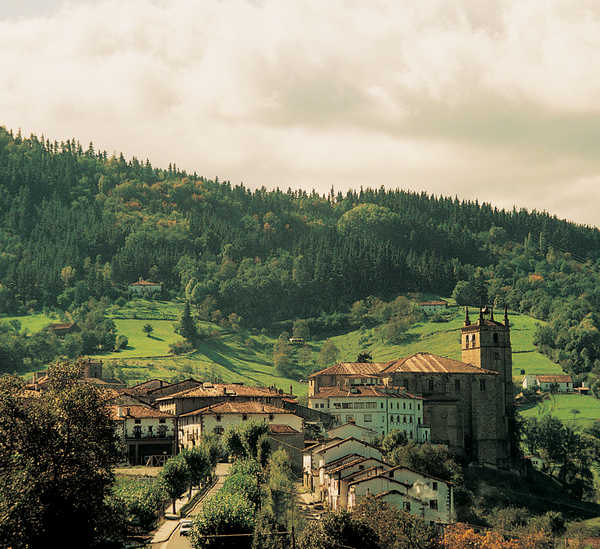
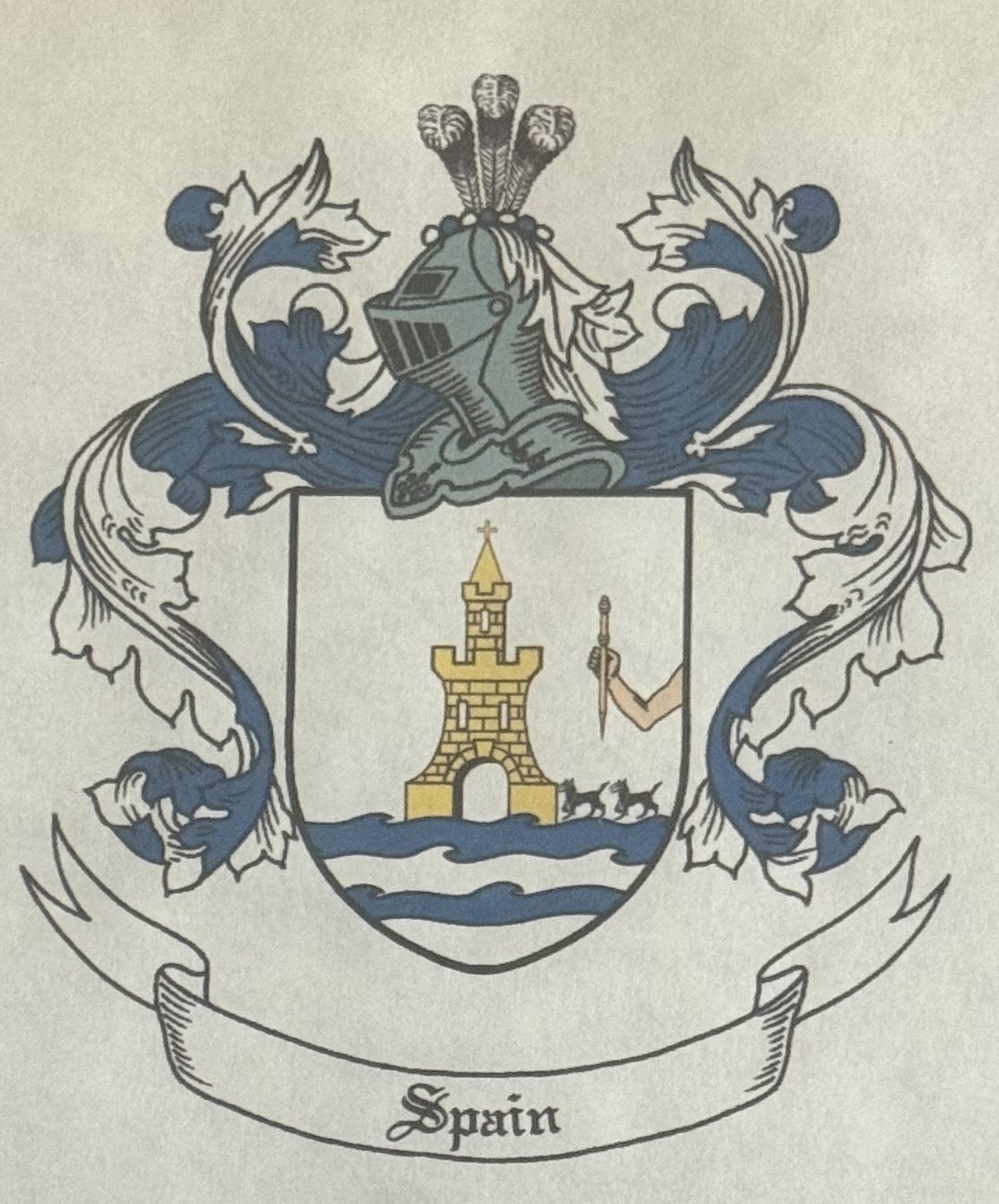
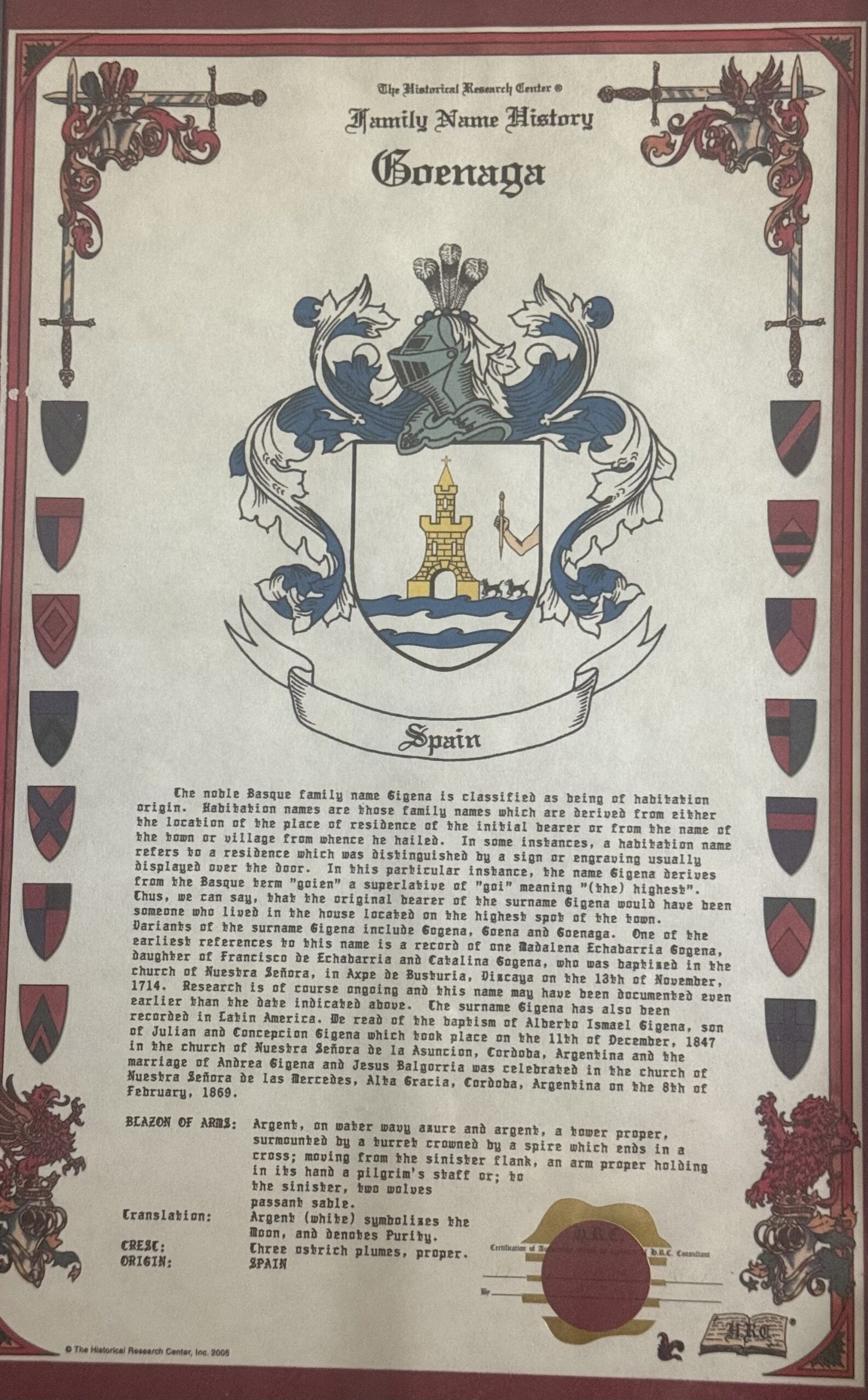
The name “Goenaga” is of Basque descent, and literally means “Homestead on High.”88 An irony, given we live in Homestead. Also ironic is that the Basque live along the “Bay of Biscay” and we live along the “Bay of Biscayne.” The Basque people are located in northern Spain, near France. The language long spoken by them is Euskara, a language isolate that has no known linguistic families. Both culture and language are ancient, and the Basque people predate Europeans with their presence. Before Spanish, Latin, or Greek were spoken in Europe, there was Euskara.
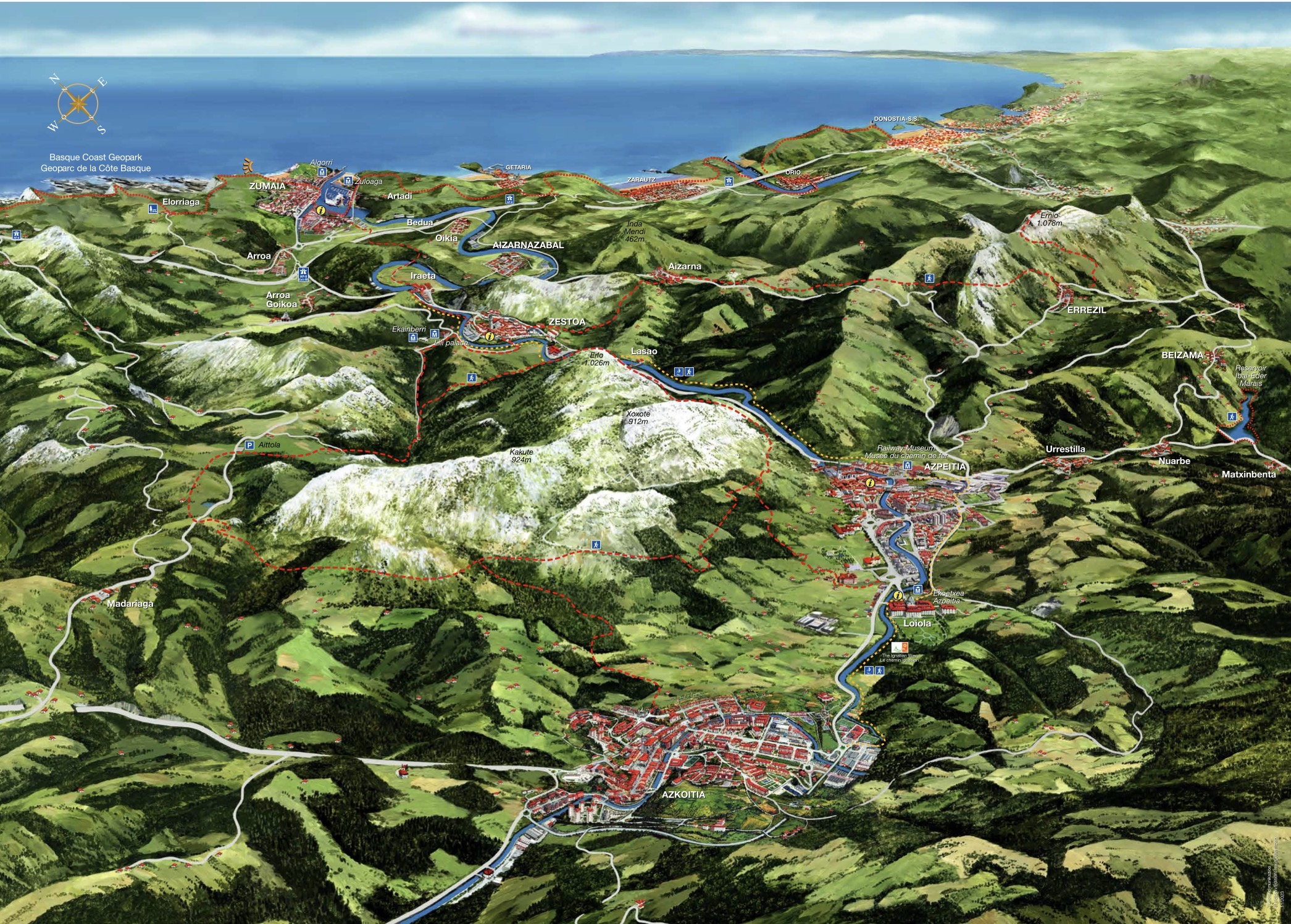
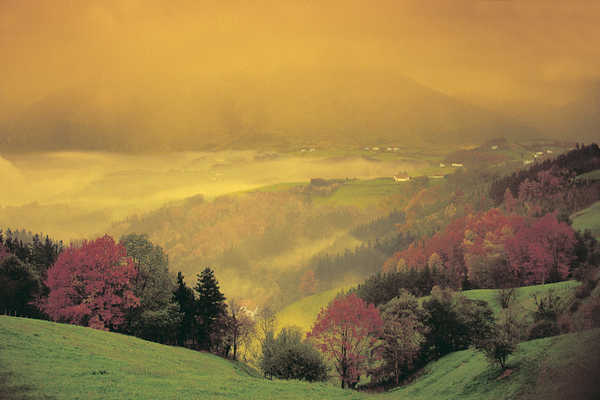
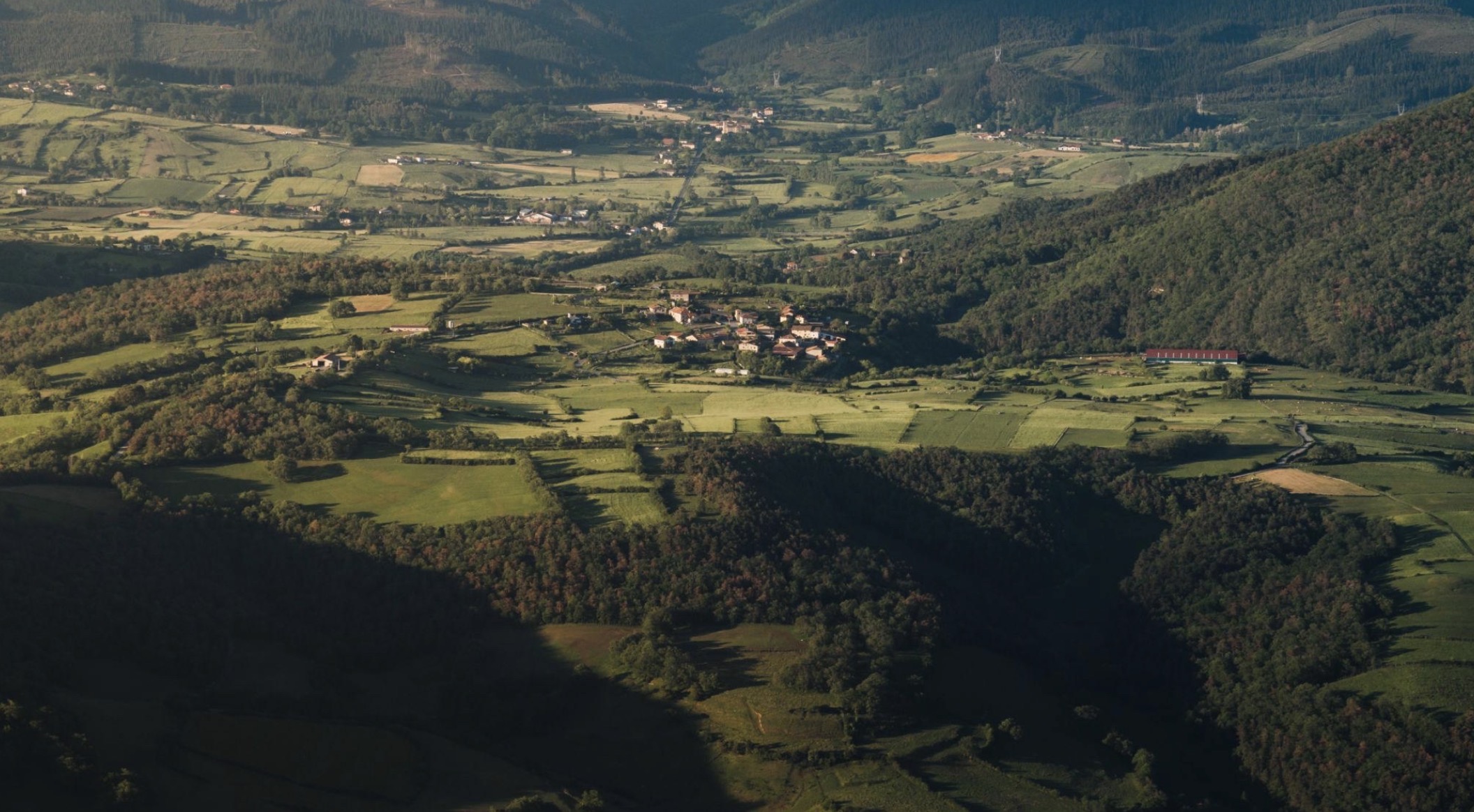
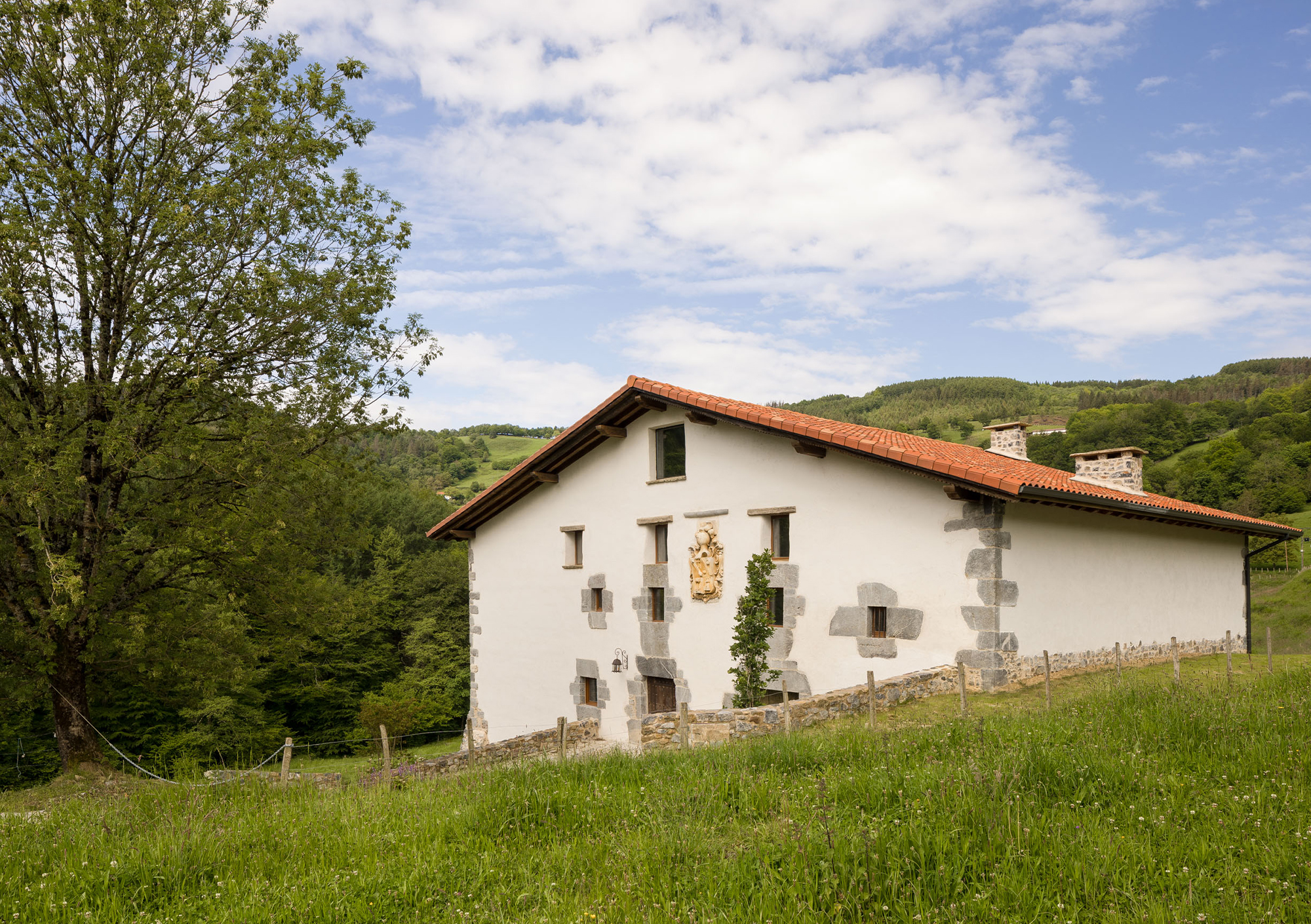
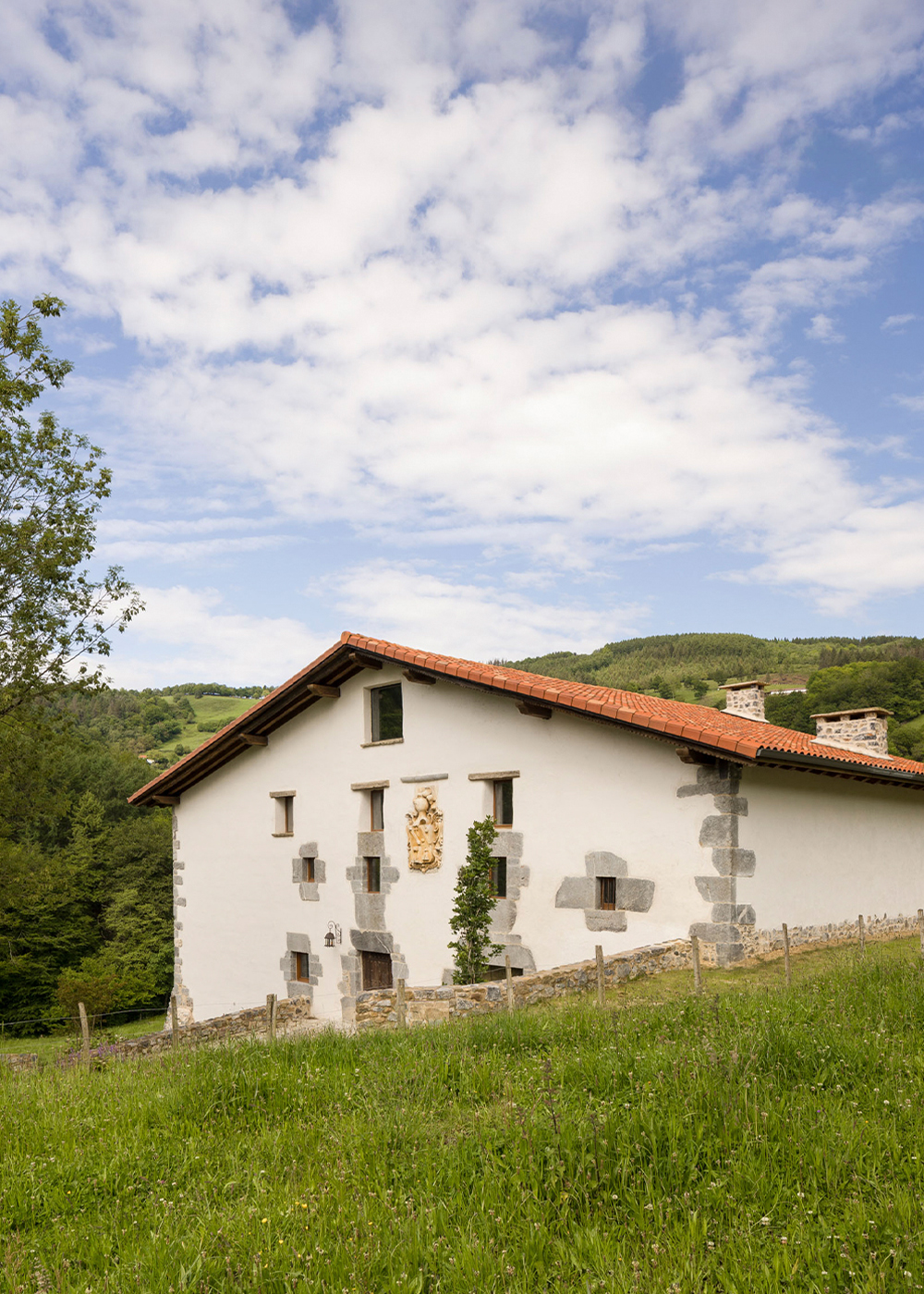
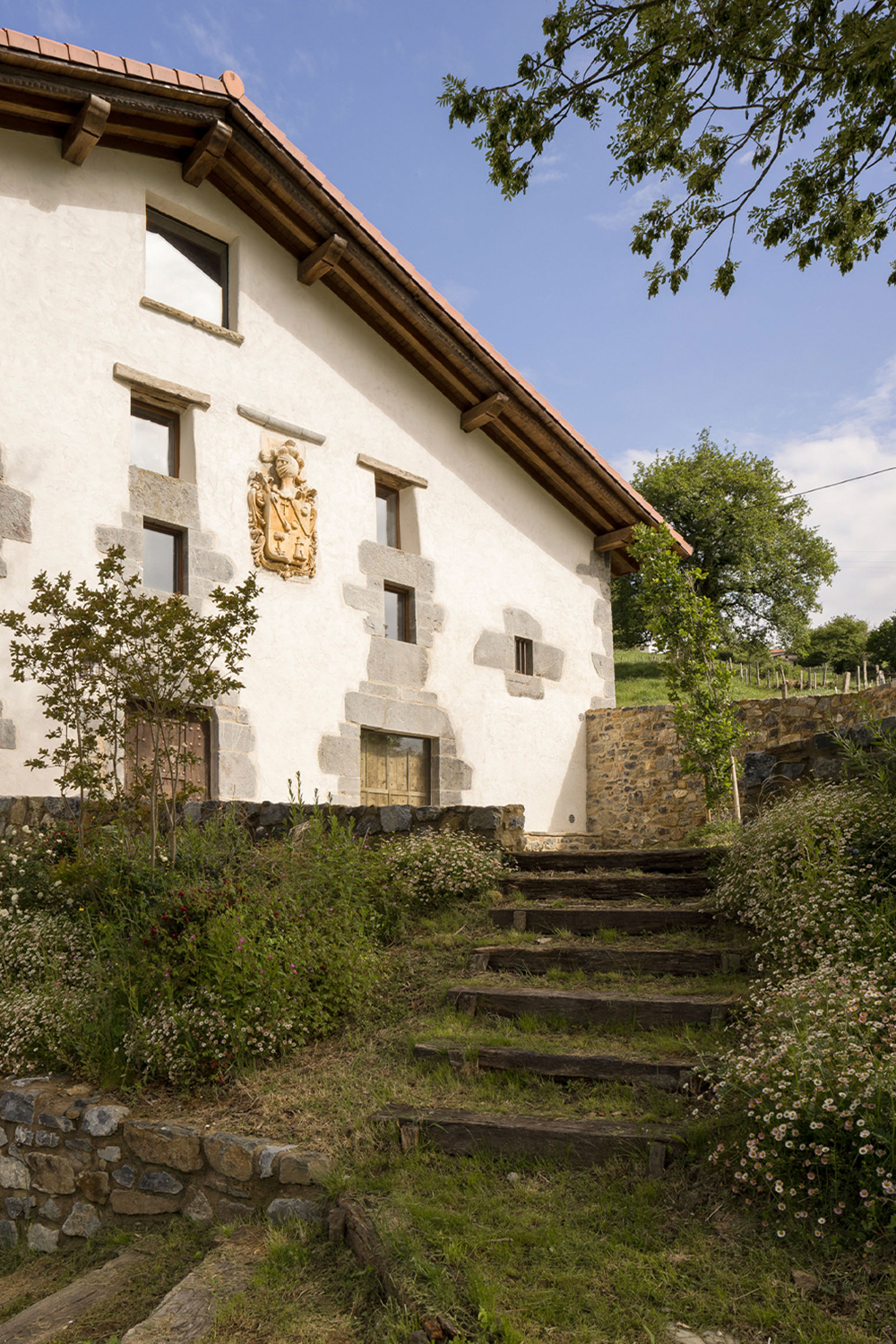
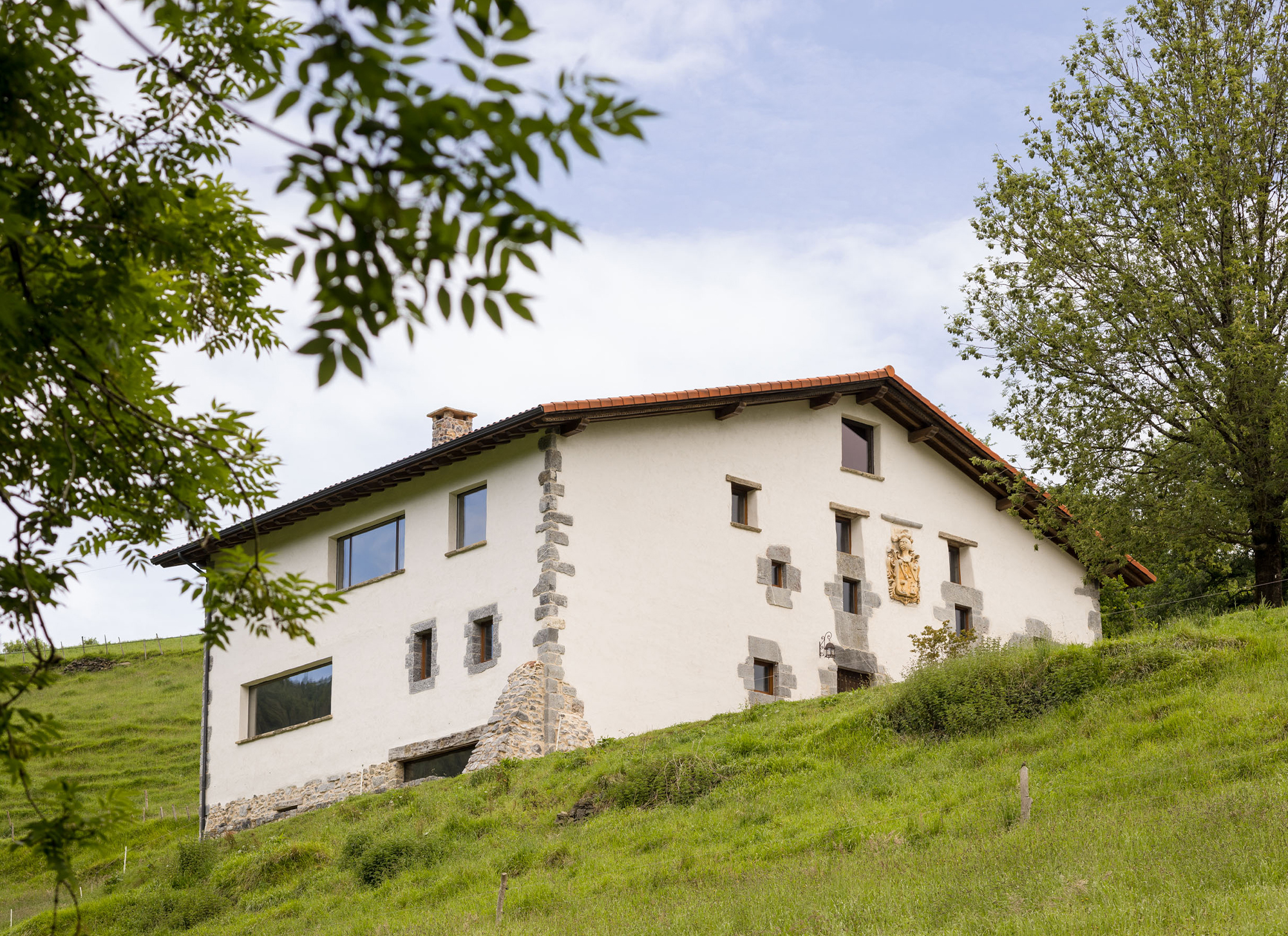
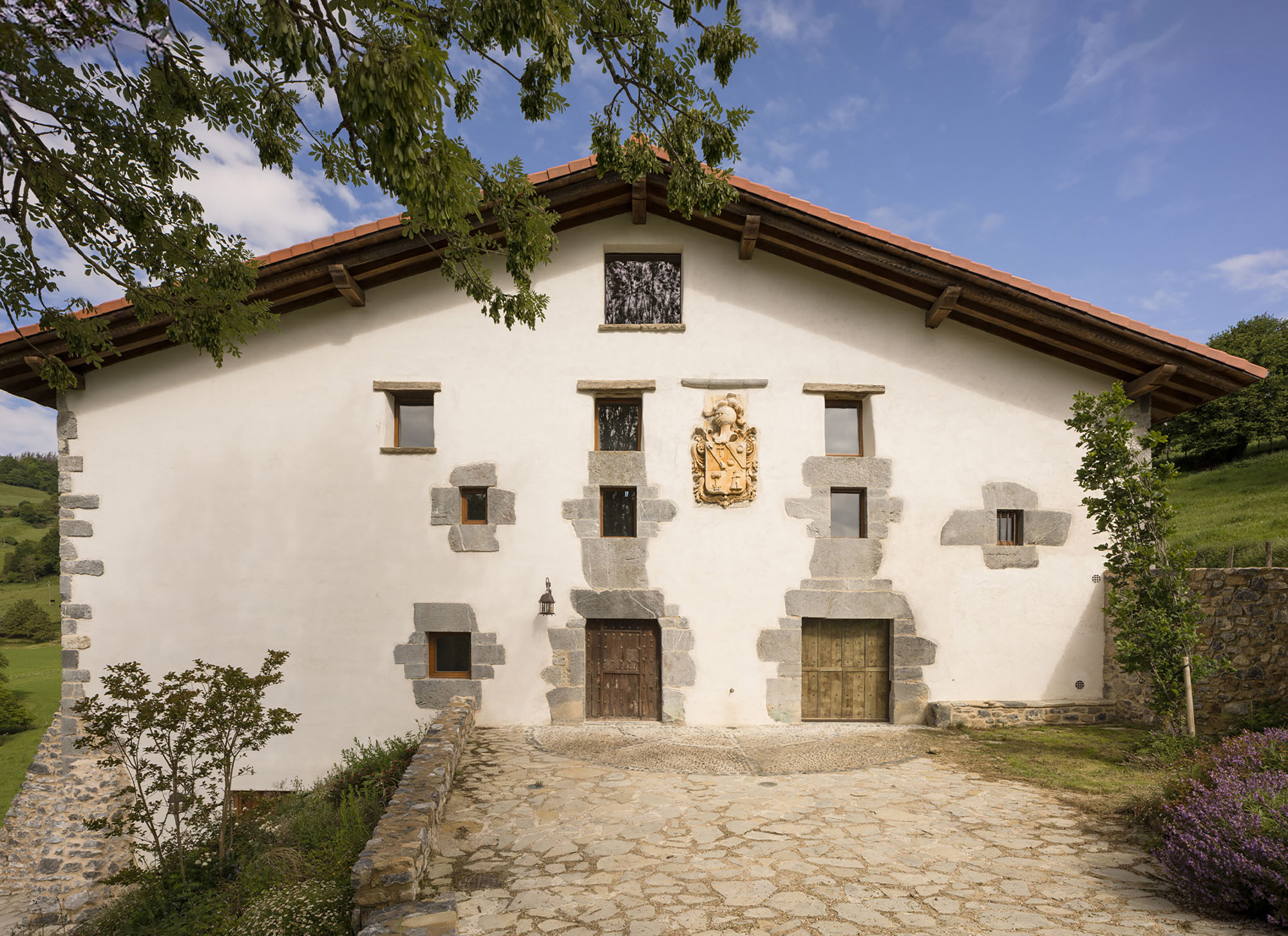
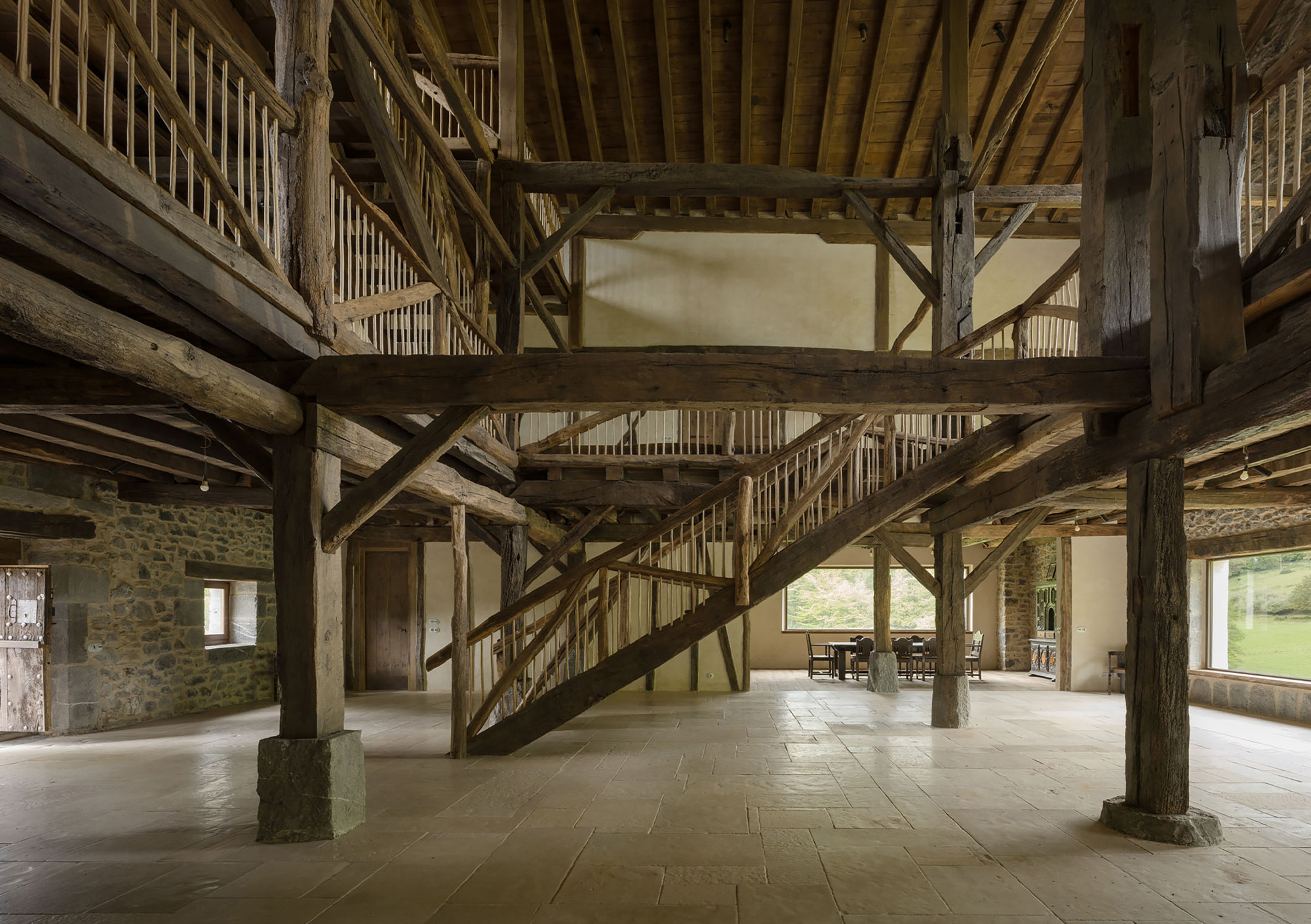
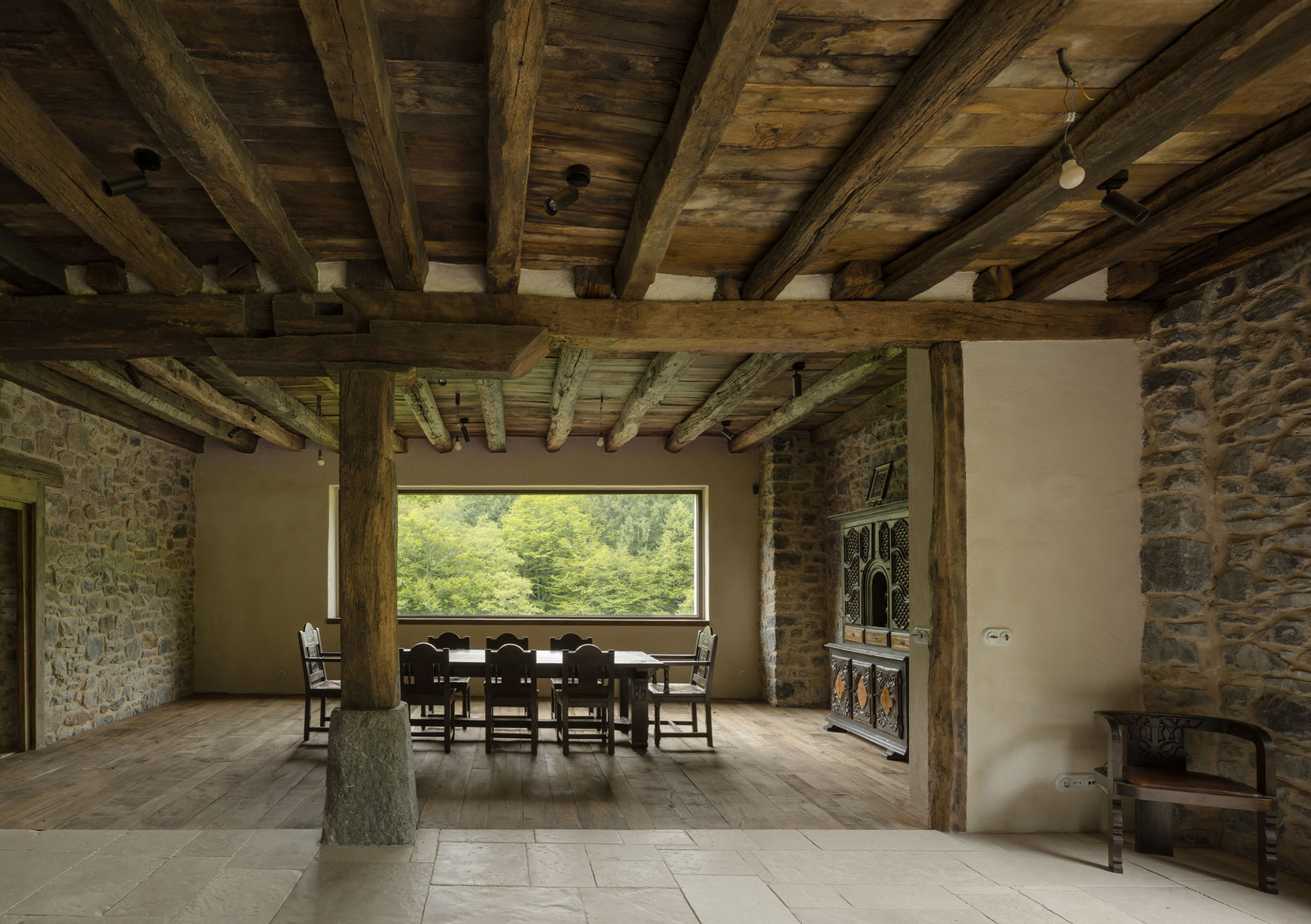
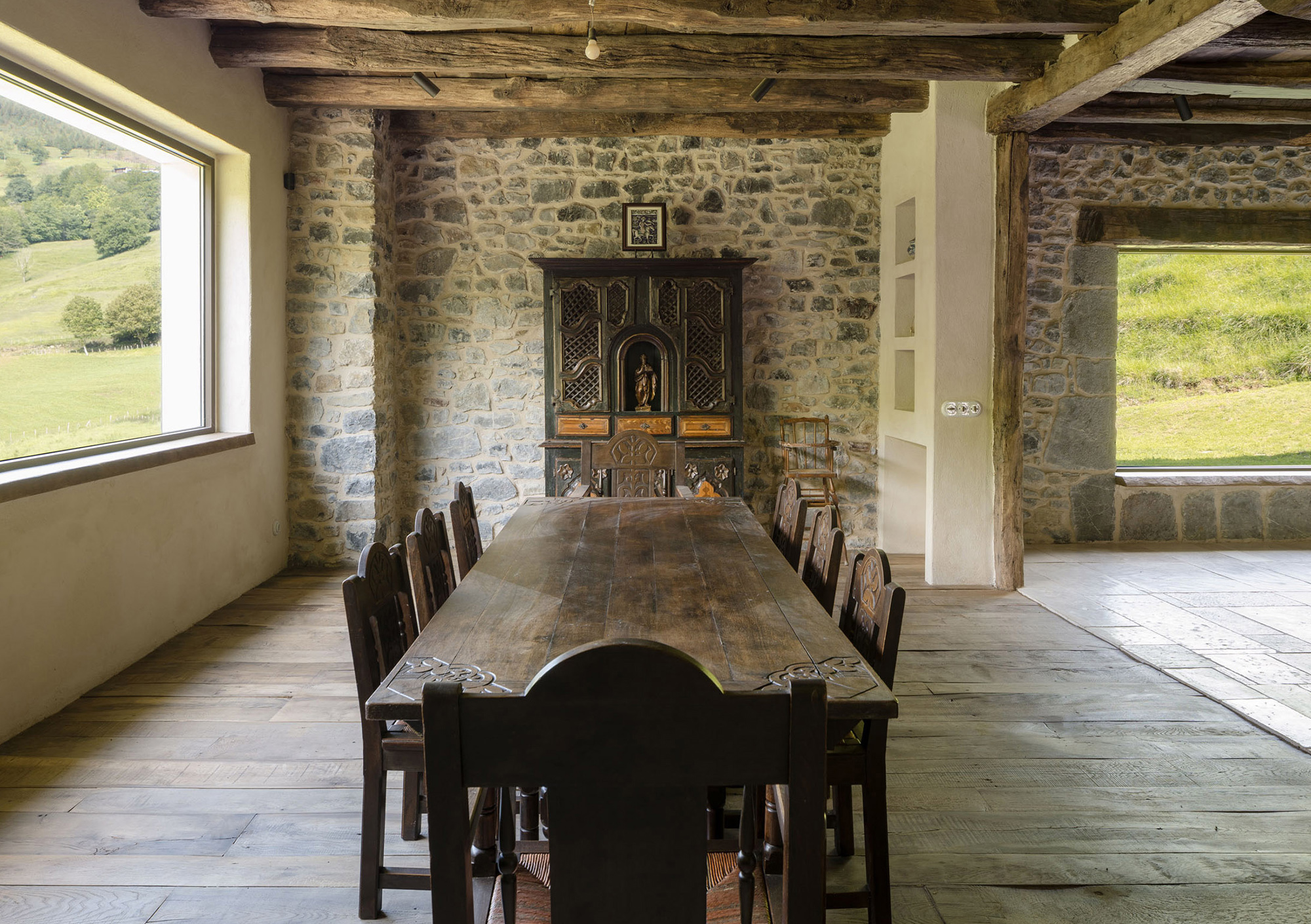
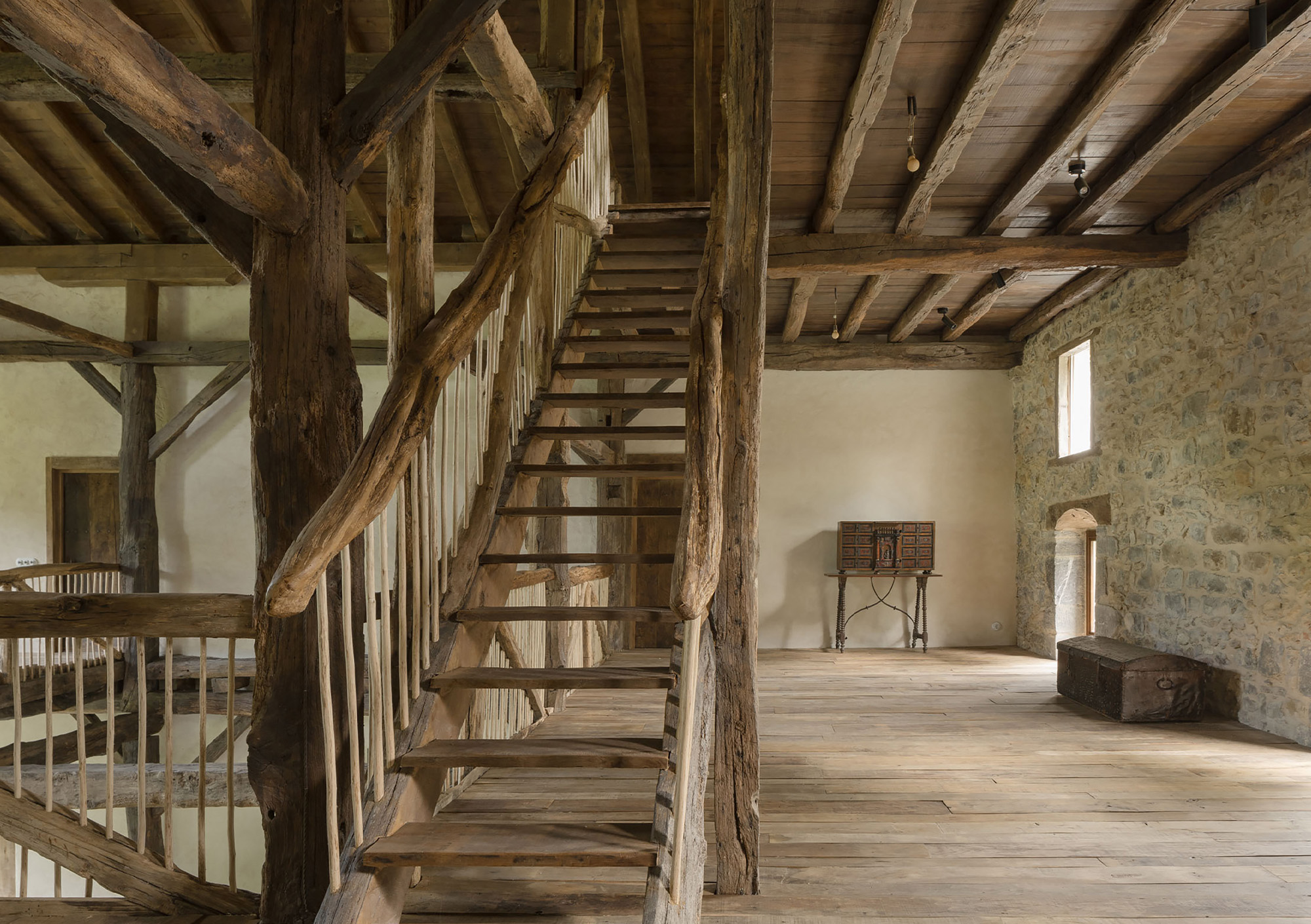
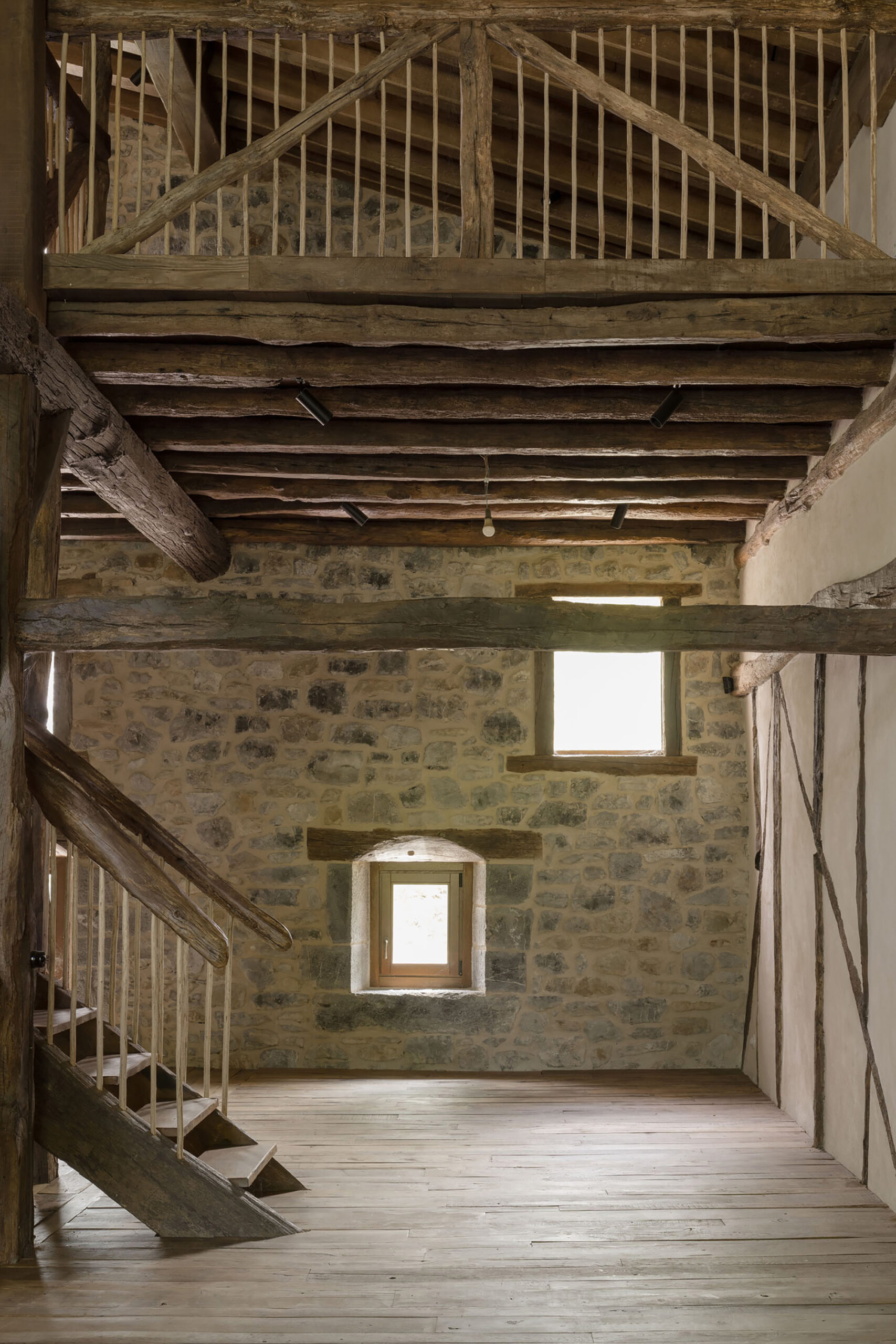
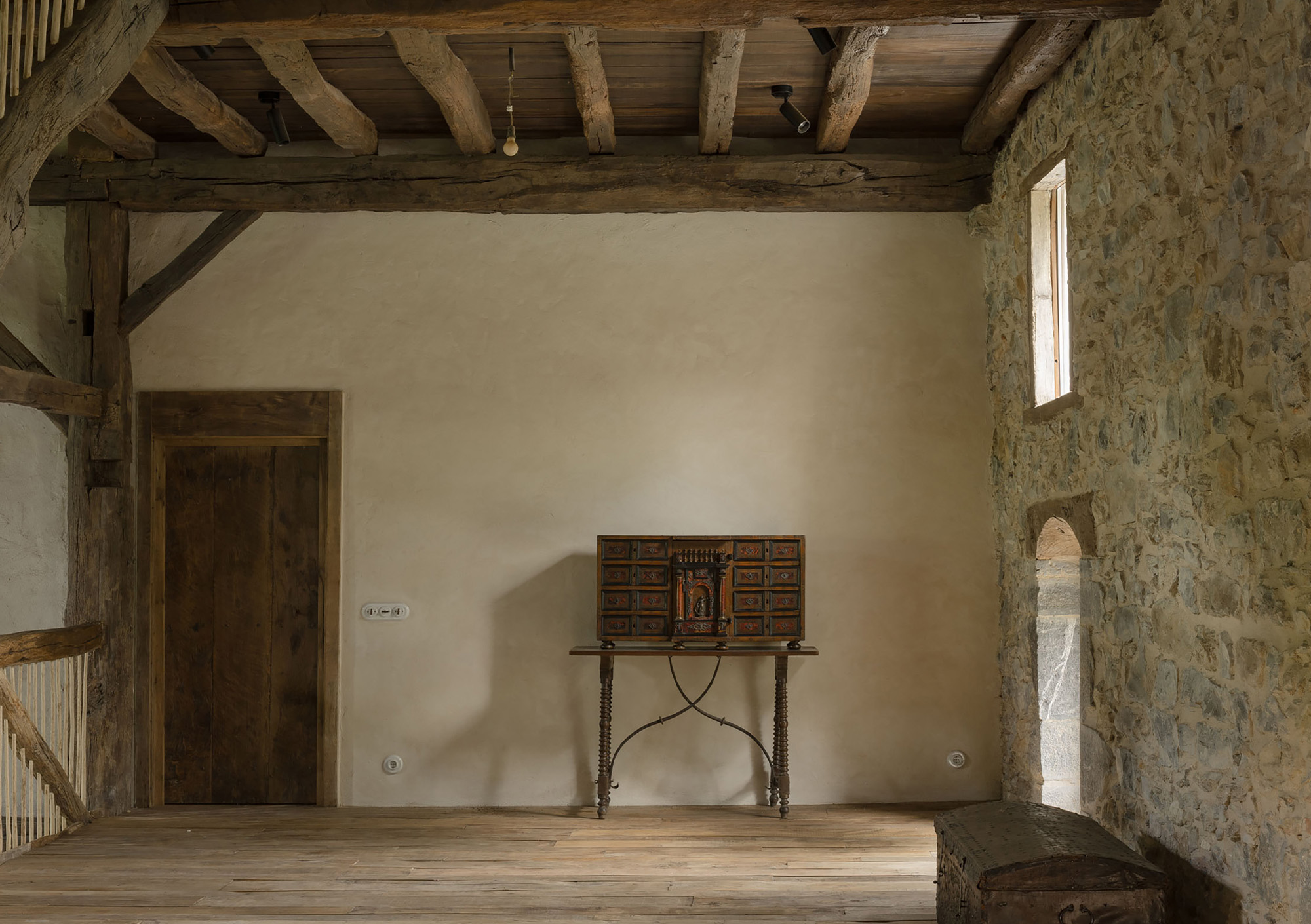
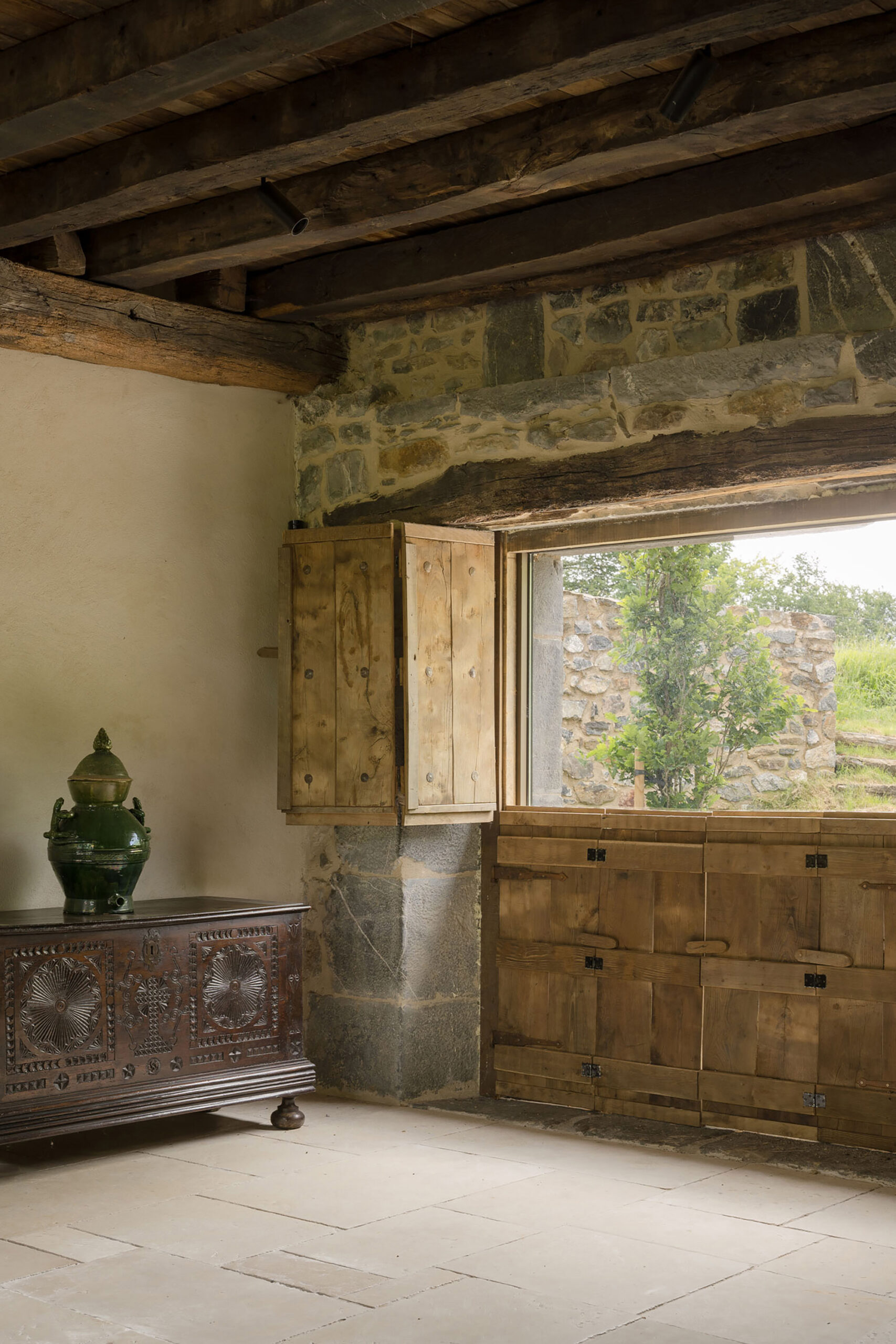
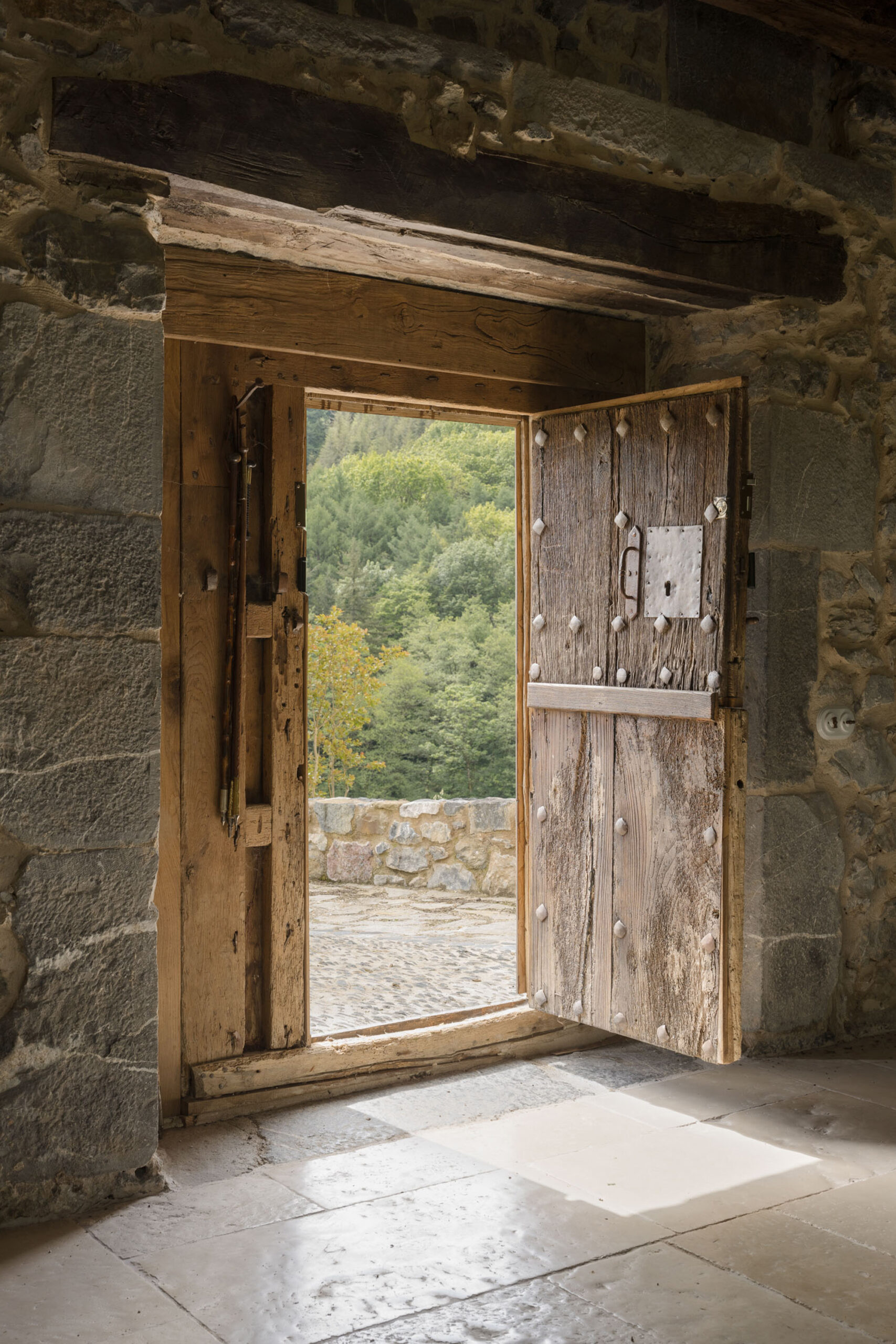
The surname itself is rather rare. There are only about 200-300 Goenagas in the United States, and a couple thousand in the world. In addition to the name’s rarity, it is particularly interesting that all Goenagas can trace their ancestry in the #Basque_Country to a single 14 mile stretch of the #Urola_Valley in the #Gipuzkoa region. Furthermore, Basque surnames are toponymic, meaning they describe the location and characteristic of the #baserriak—the Euskara name for the traditional farmhouse. The surname functions almost as a type of map, meaning the “Goenaga” baserriak/farmhouse was literally one upper in the valley. Incredibly, I was able to track down three 500-700 year old houses named “Goenaga” still standing—one of which is located up in the valley and is pictured below. While I cannot prove it, imagination allows the possibility that perhaps my great great great great great great great great great great great great great great great great great great great great grandfather came from this homestead.
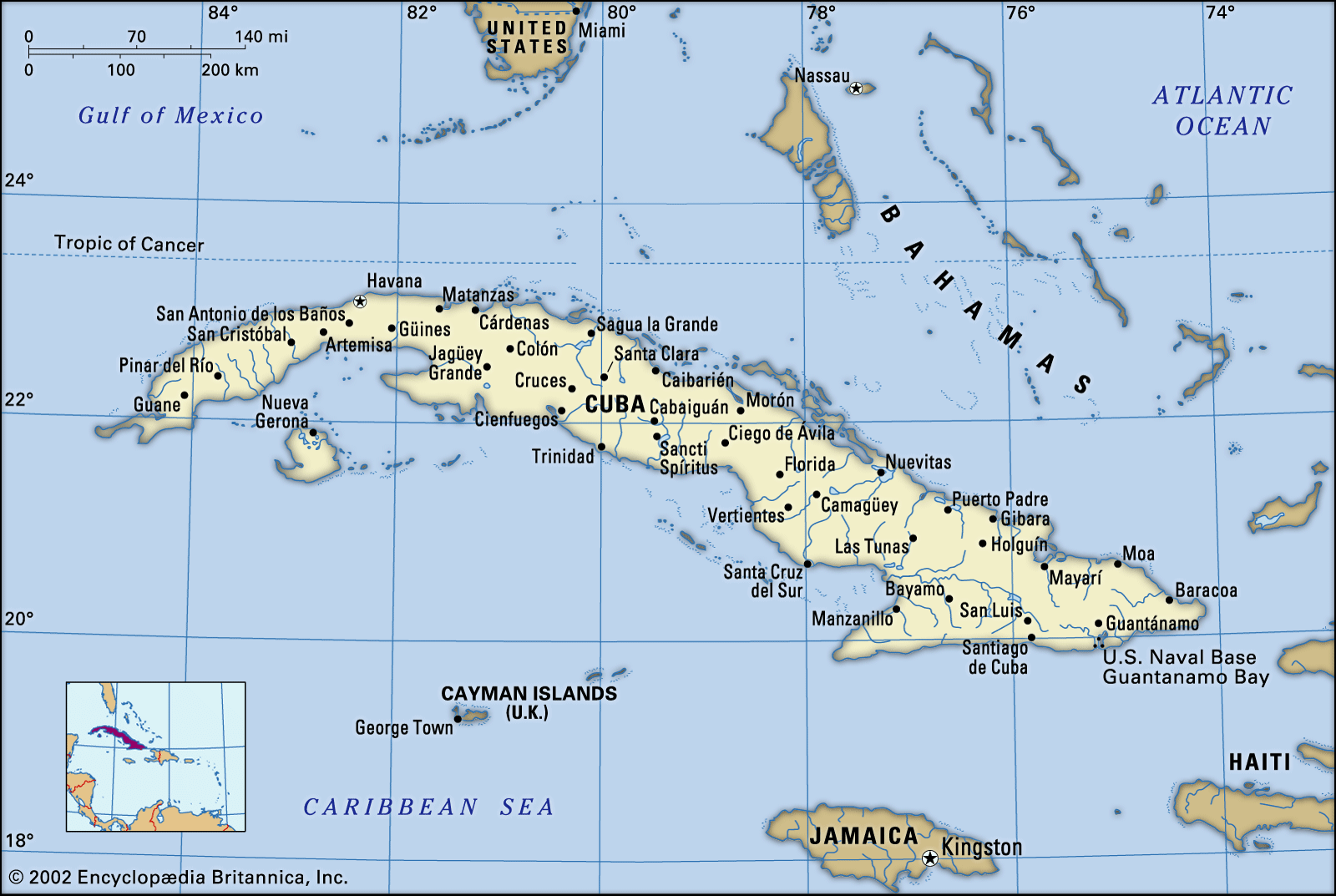
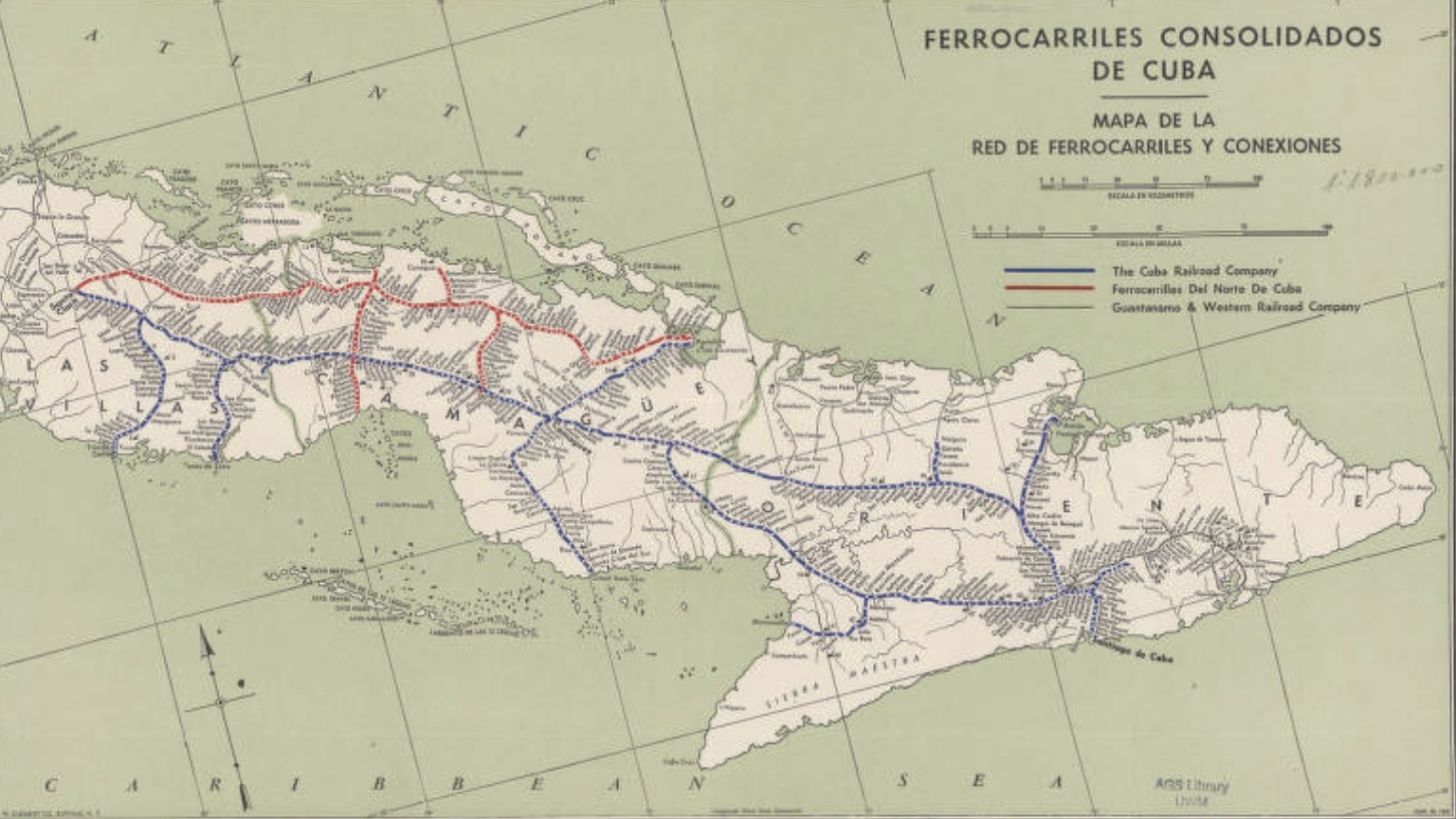
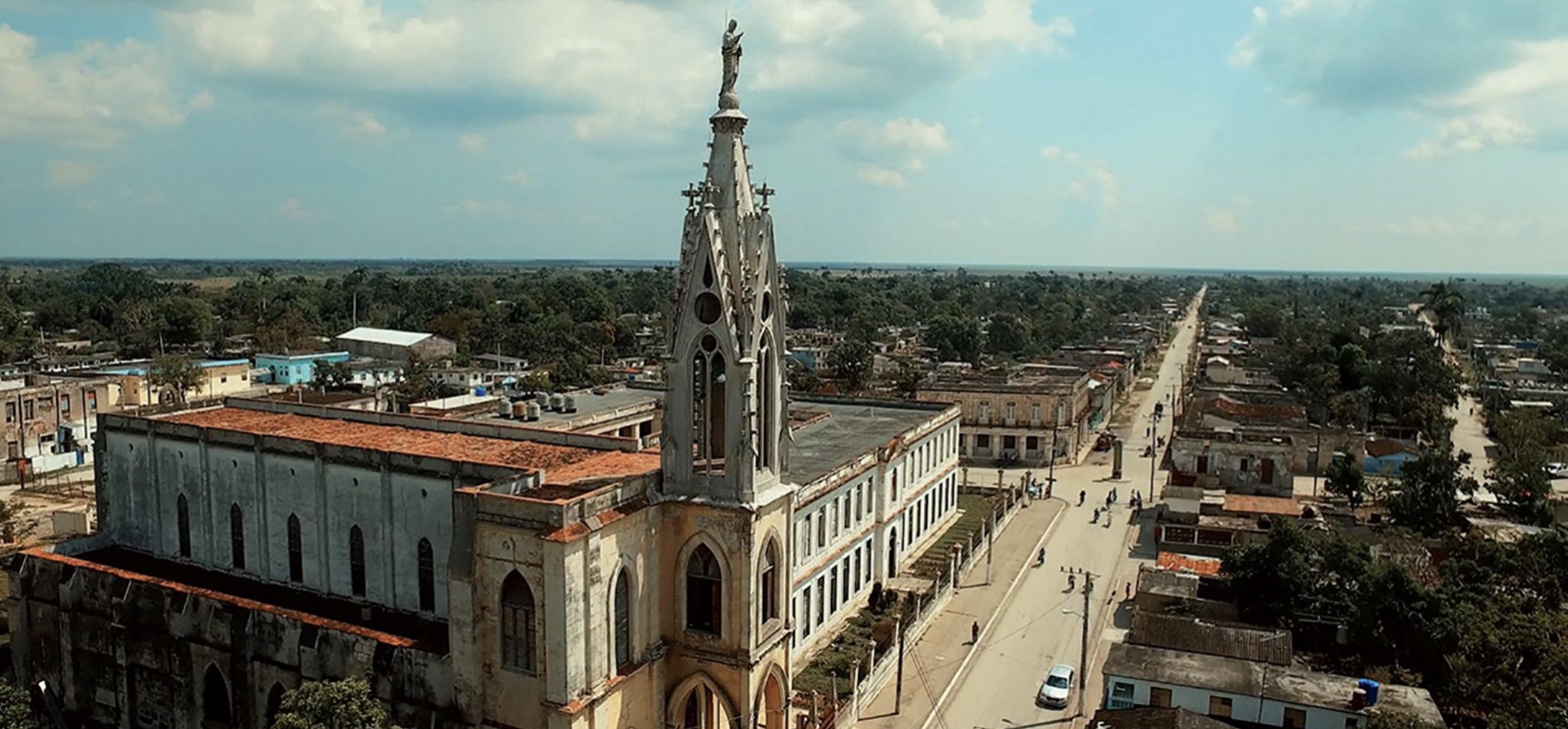
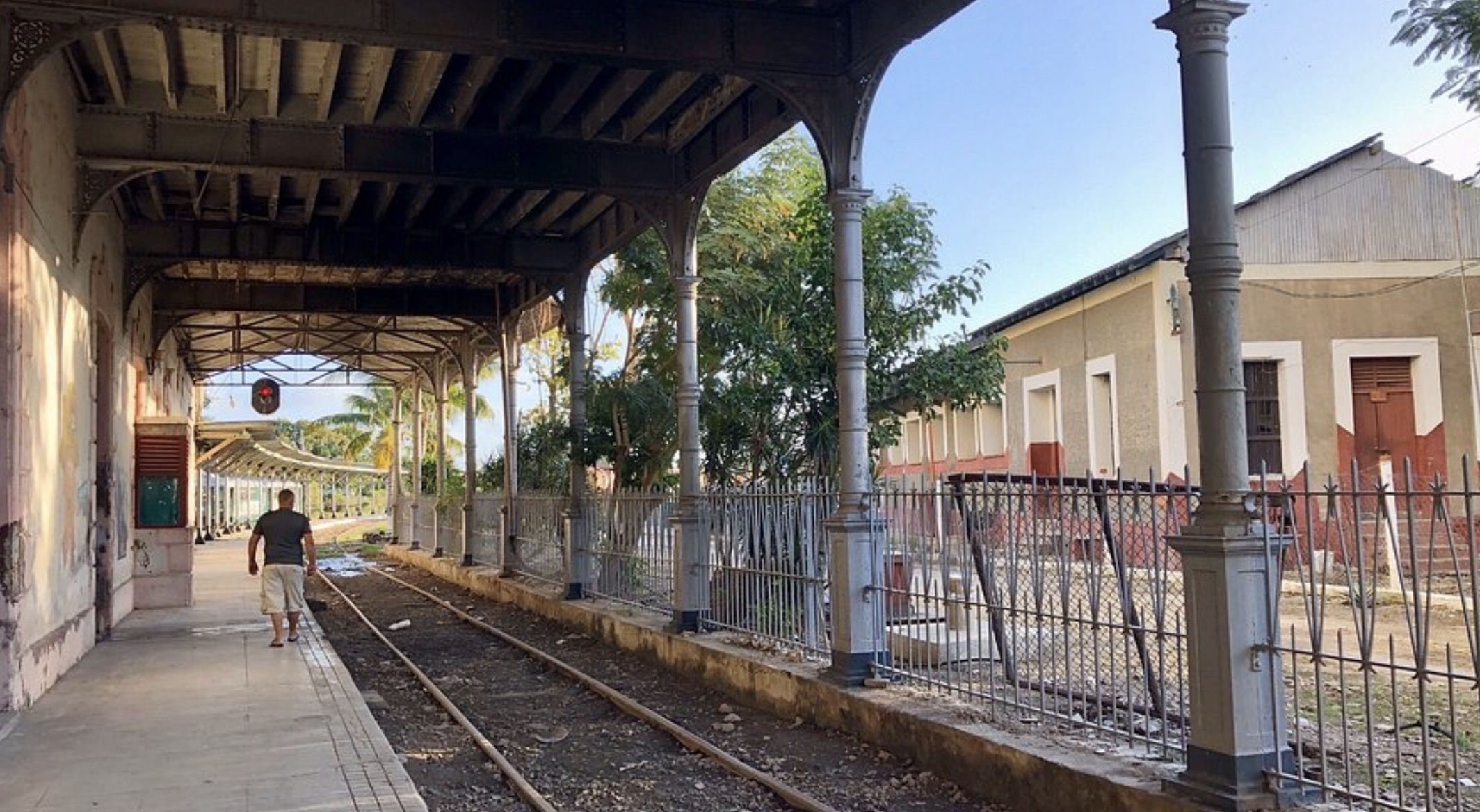
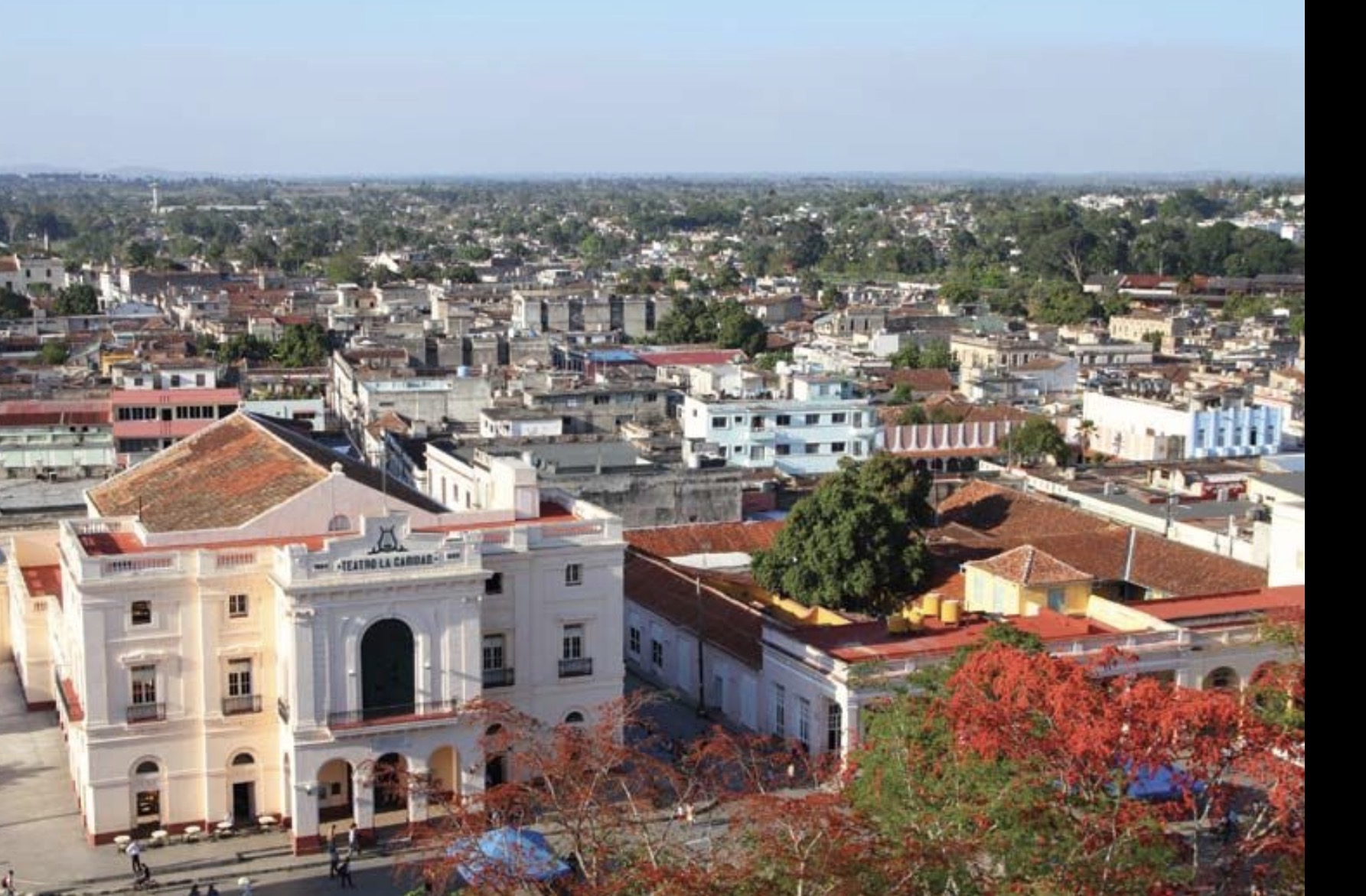
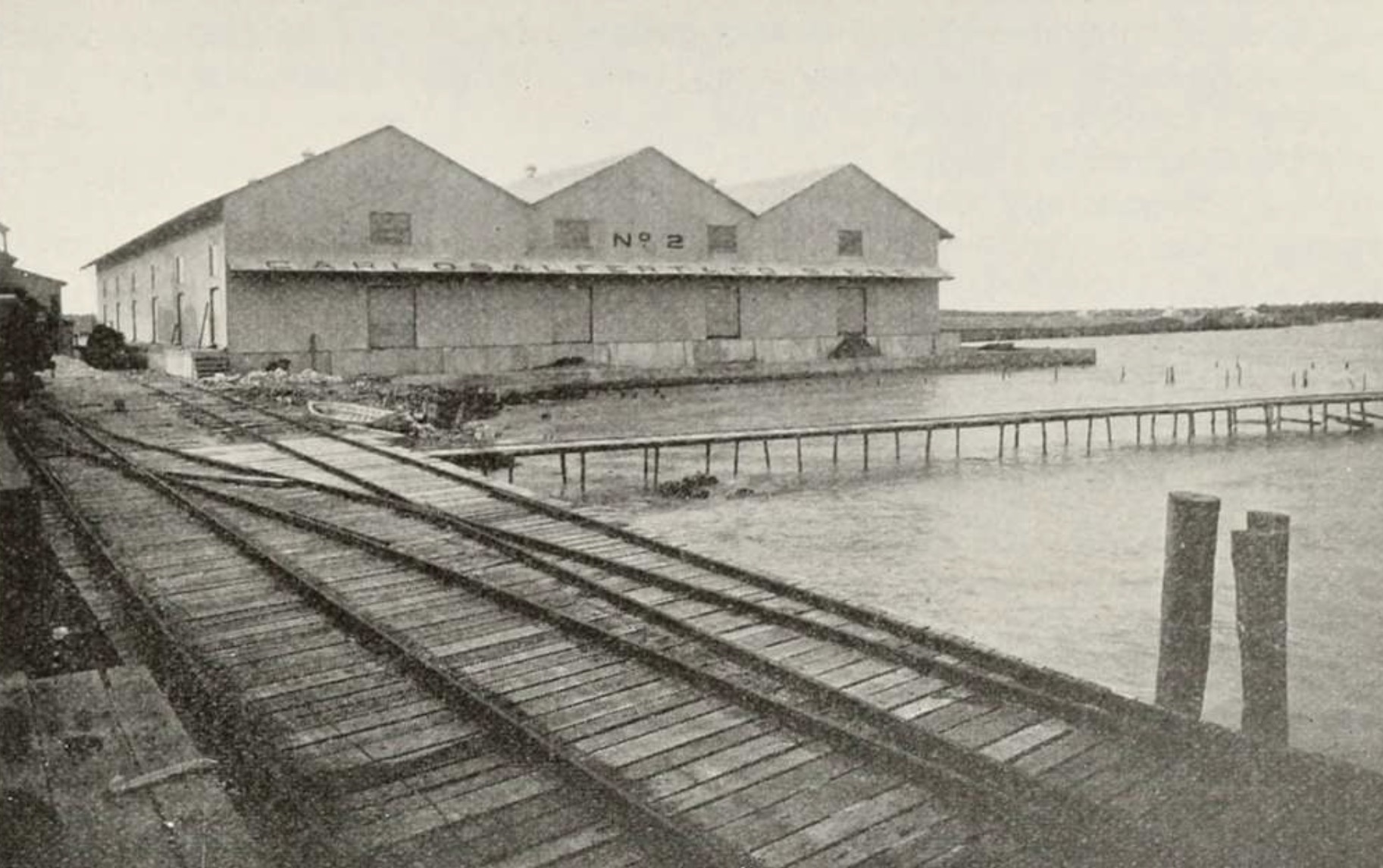
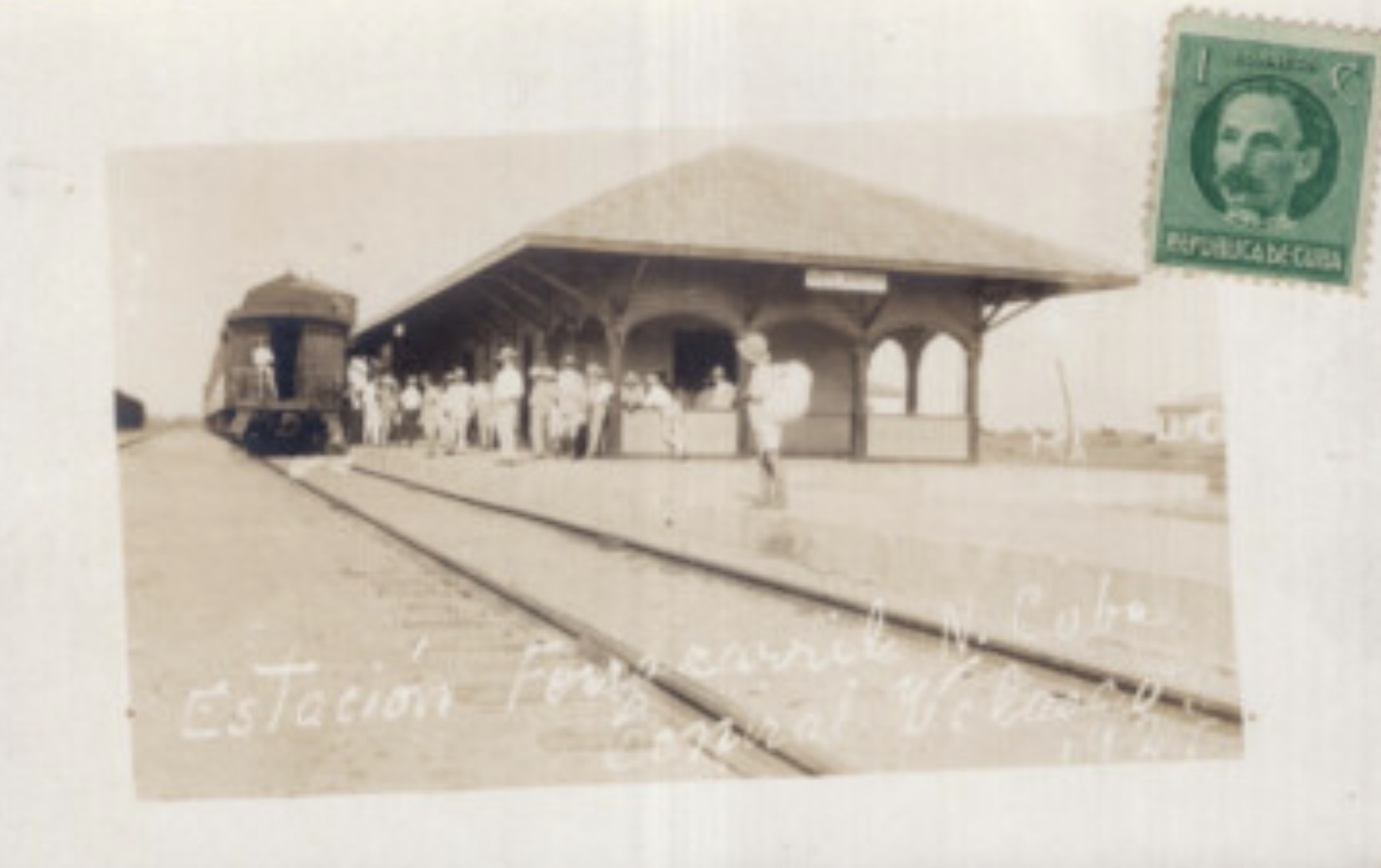
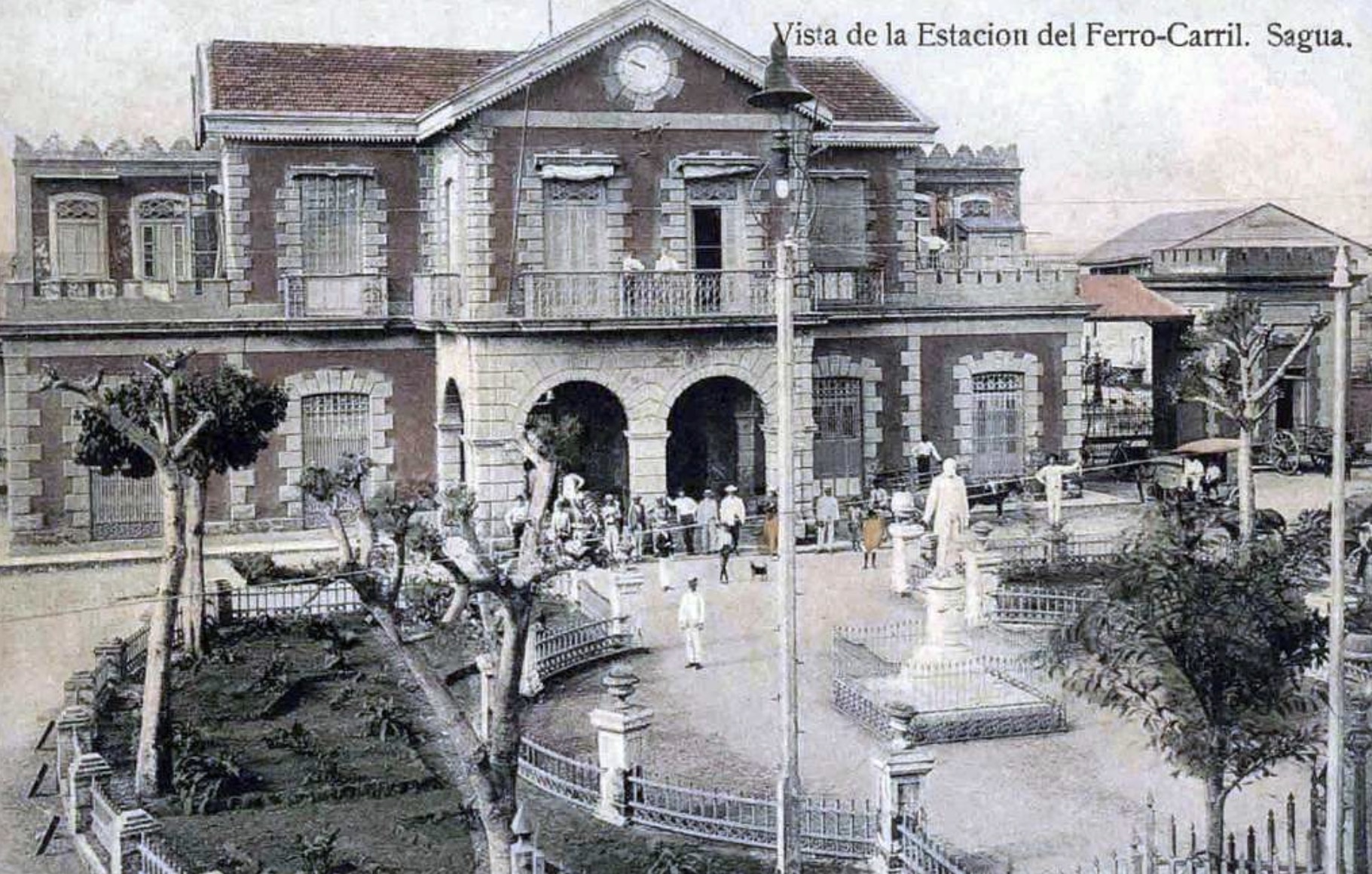
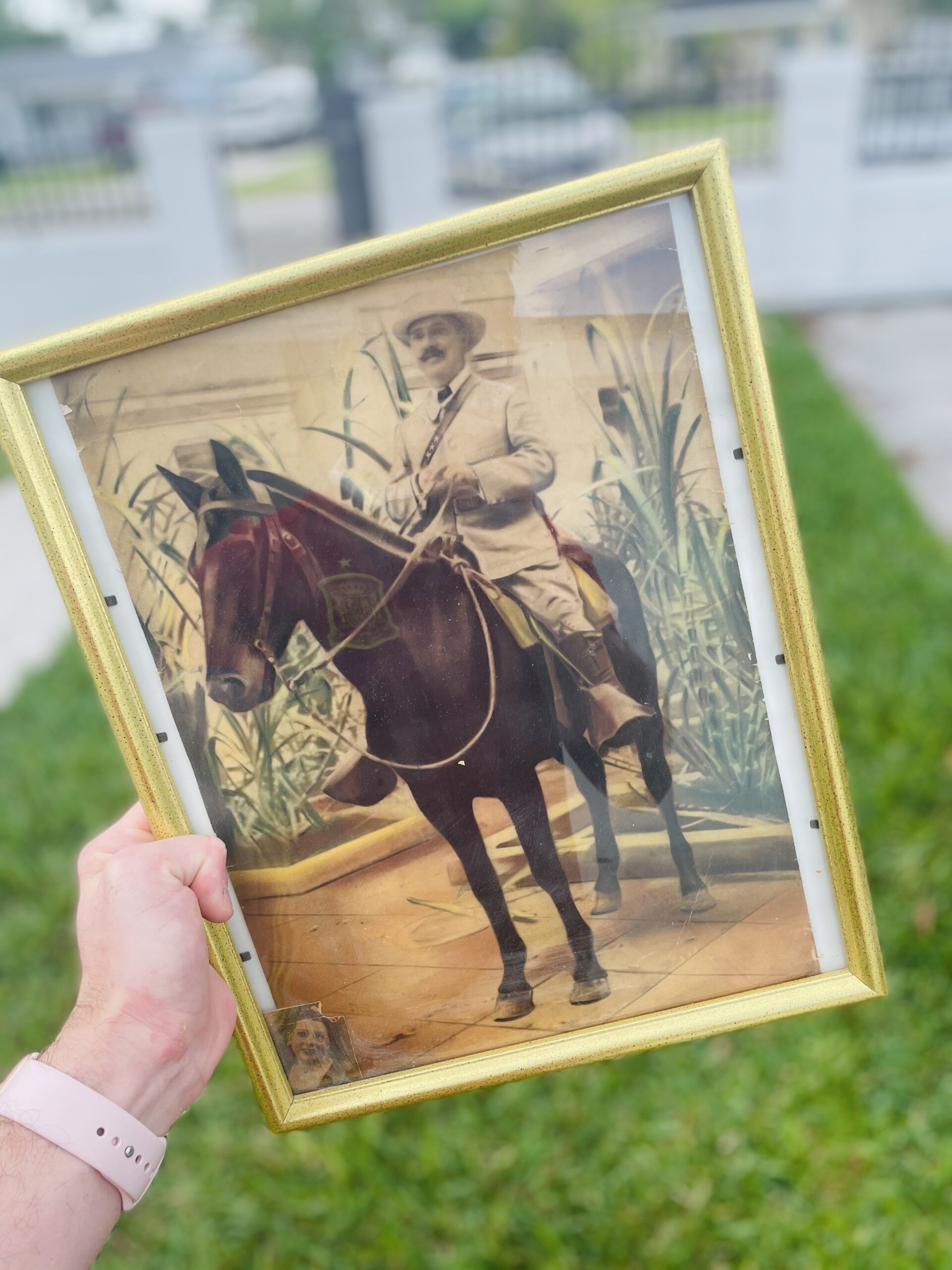
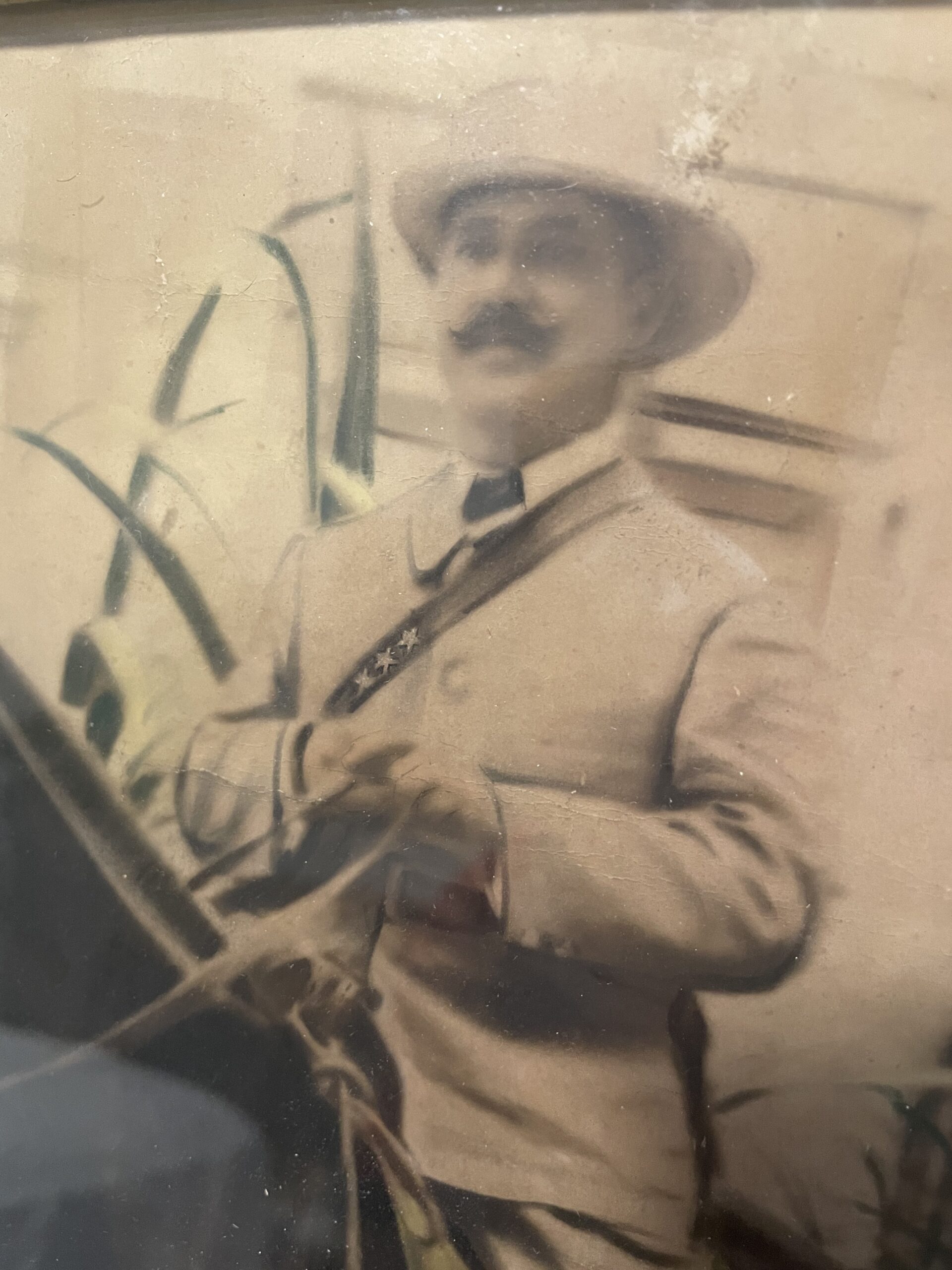
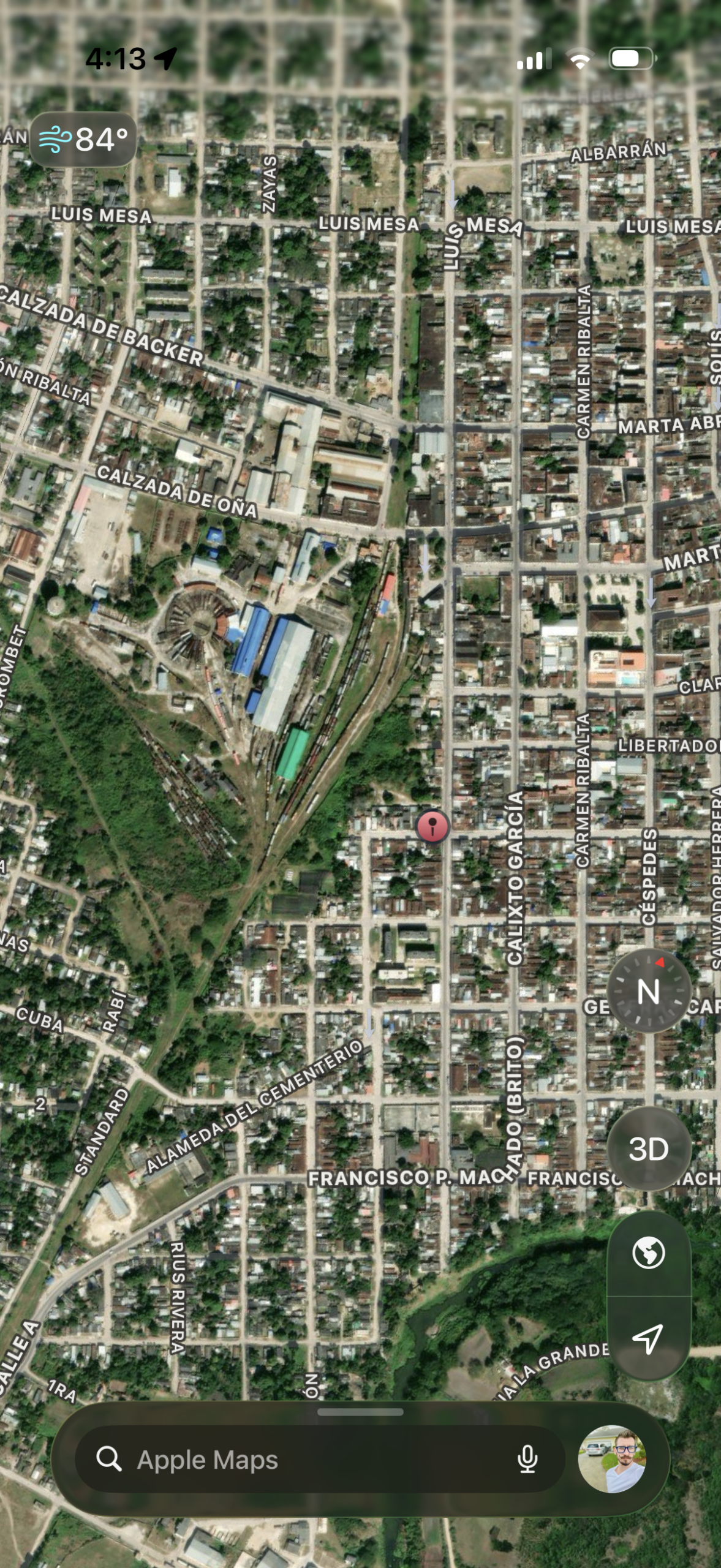
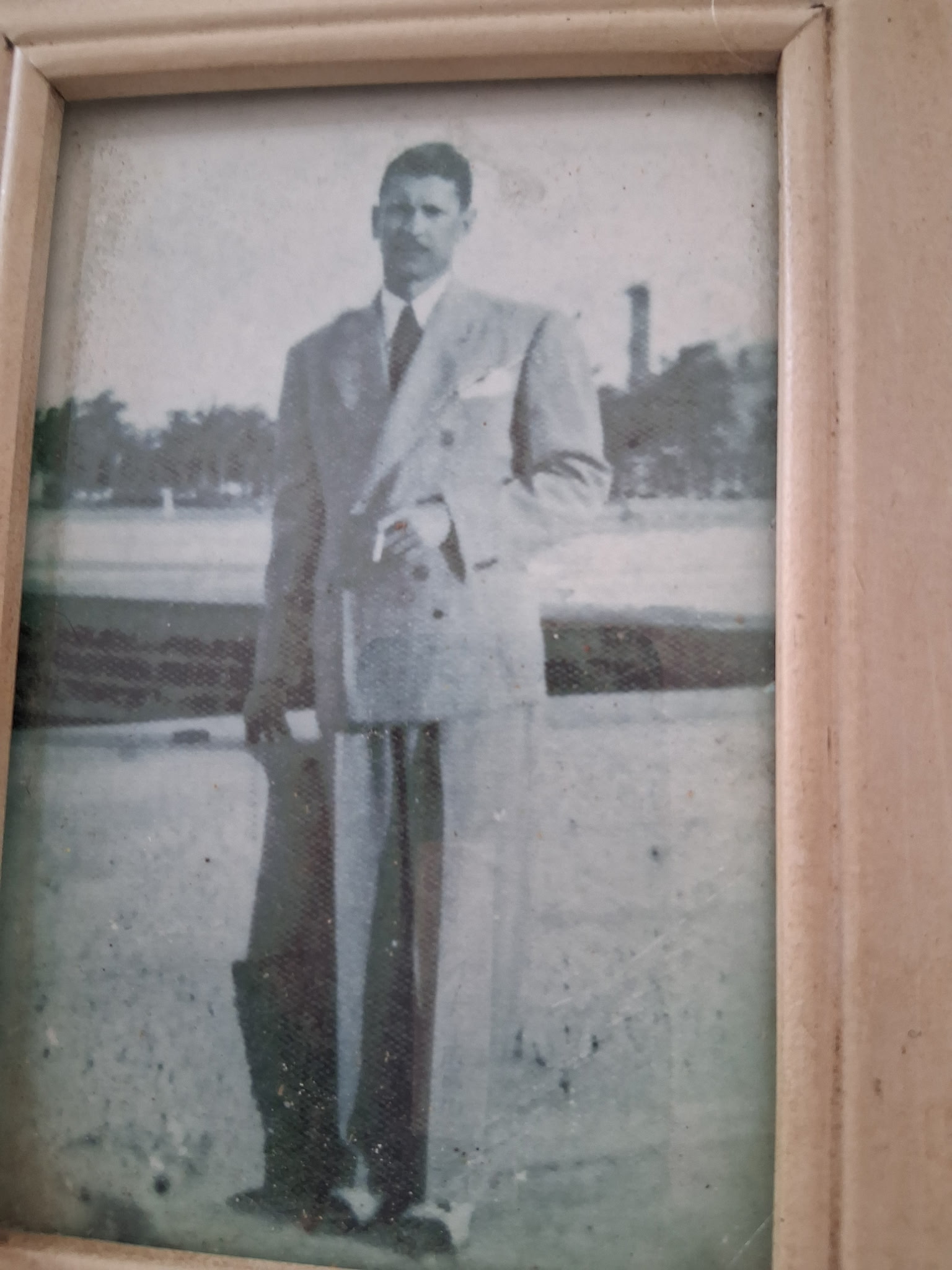
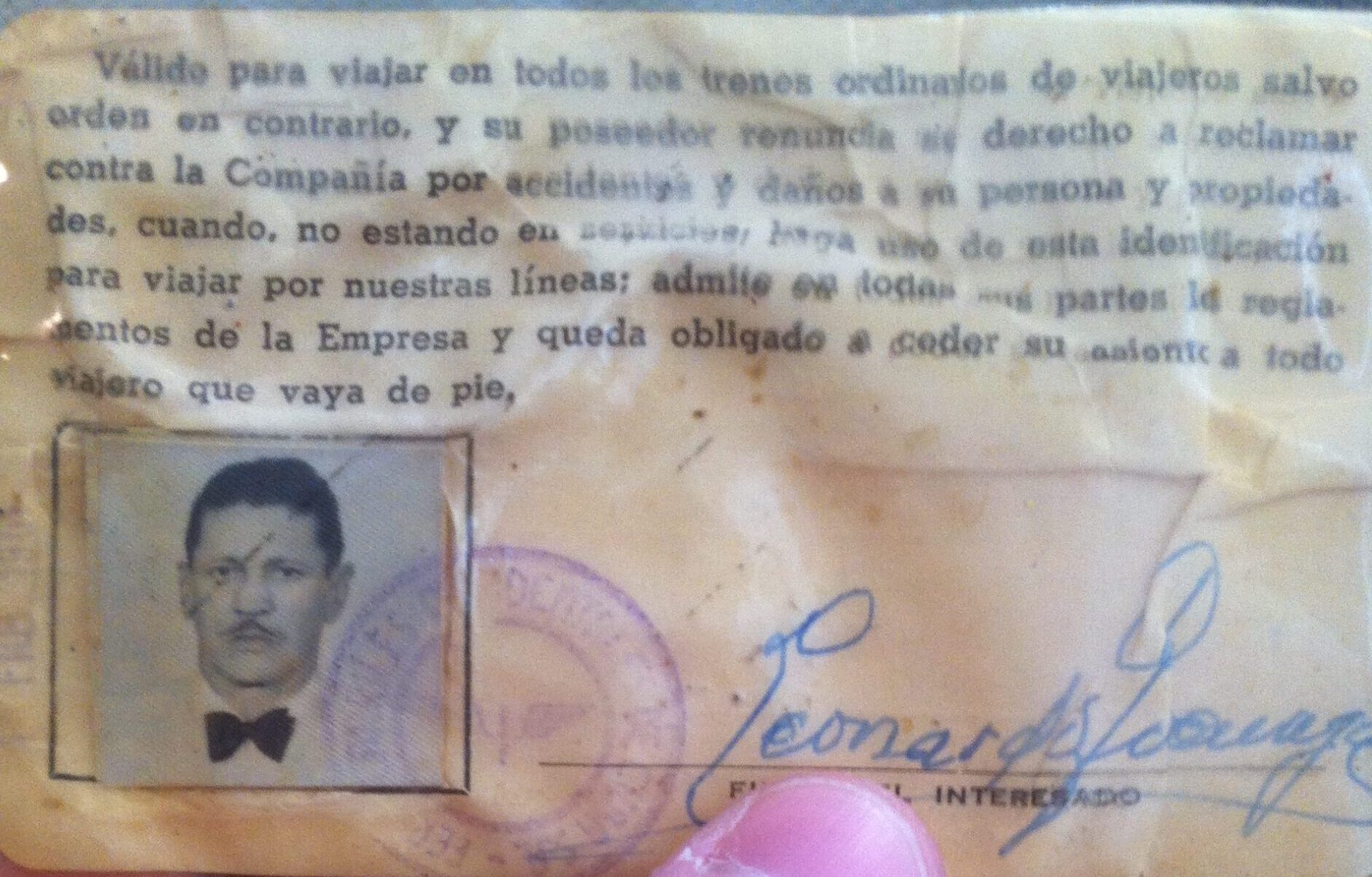
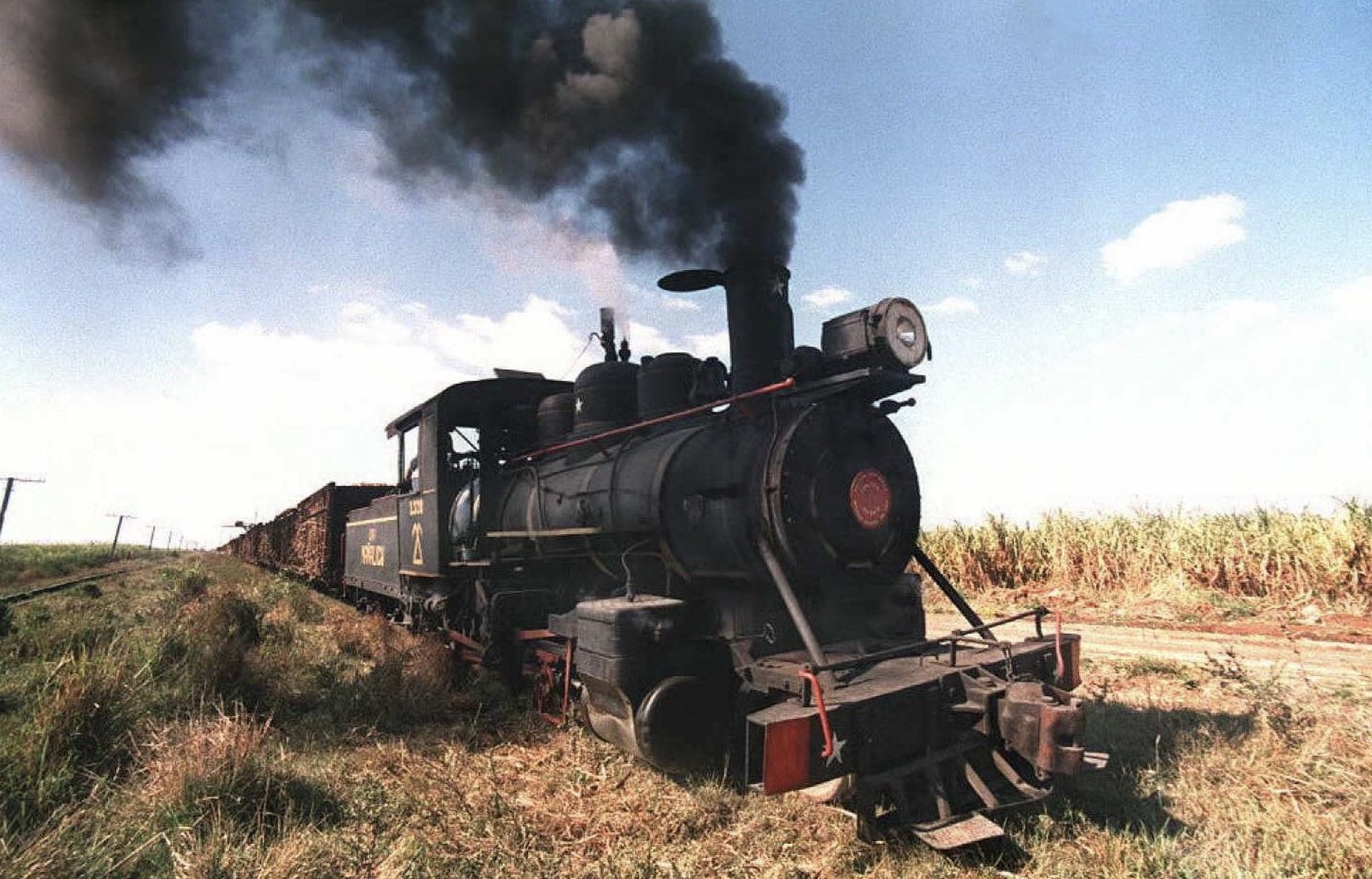
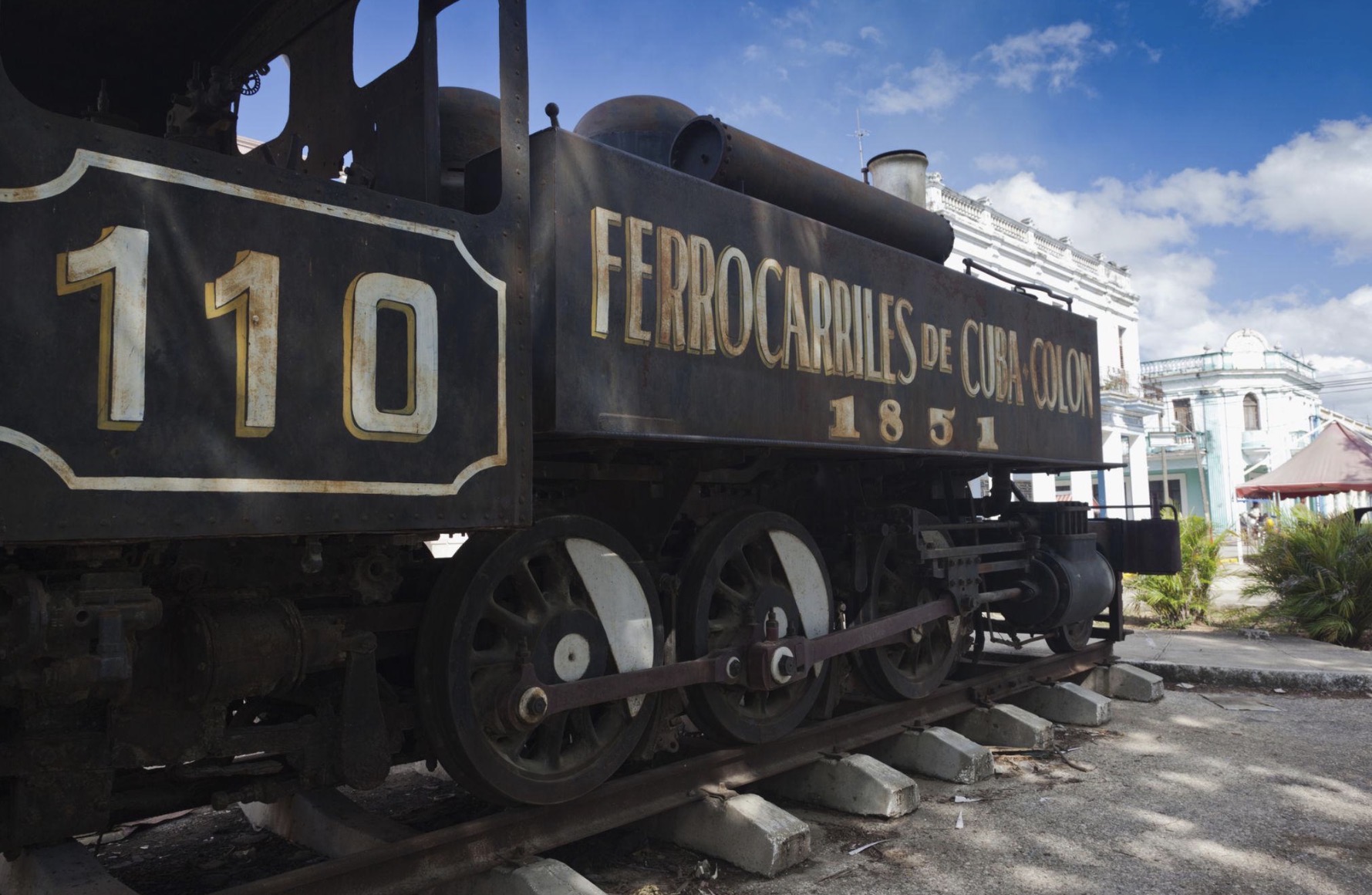
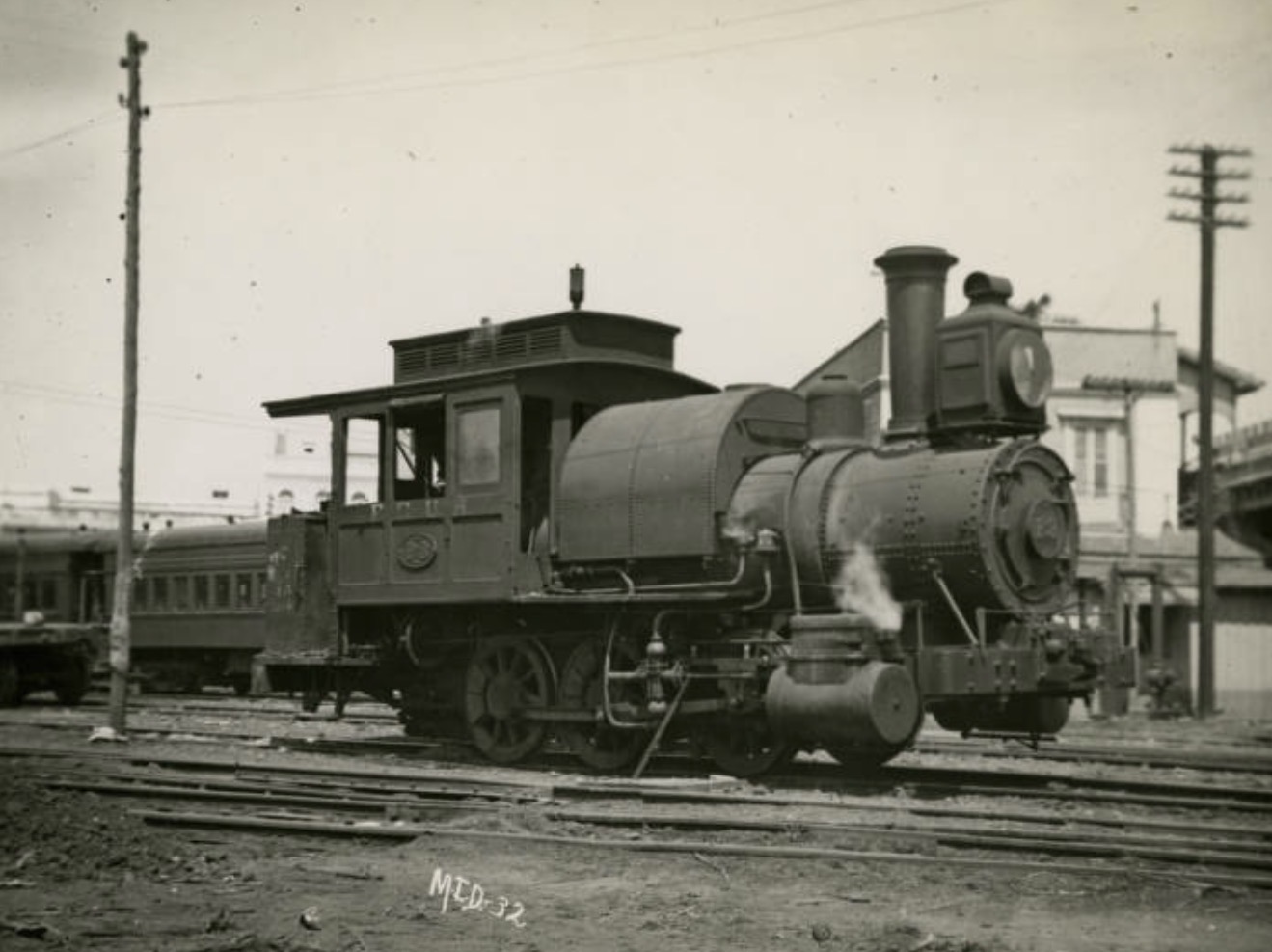
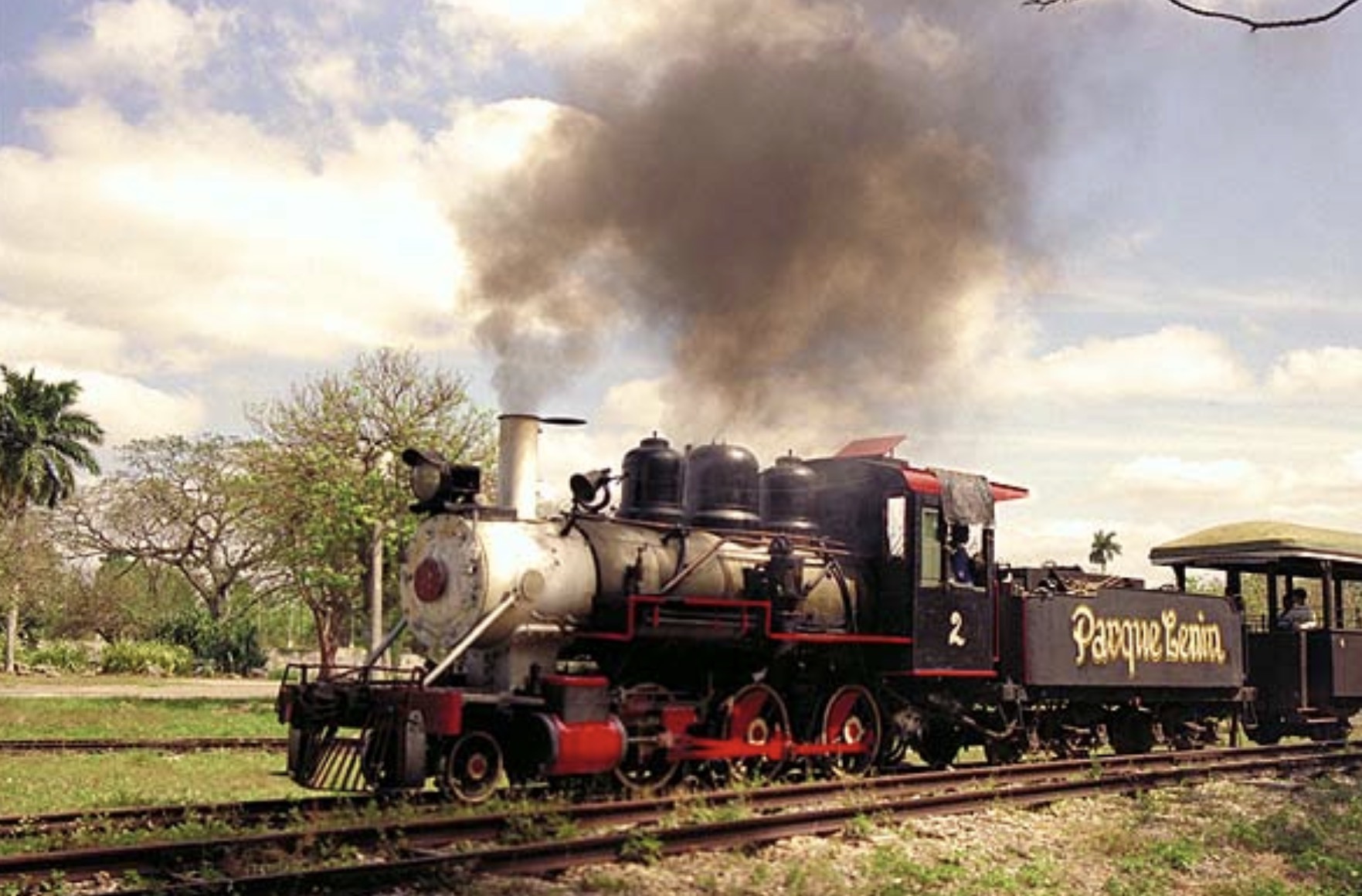
From these ancestors one immigrated to #Cuba. Perhaps it was @Juan Vicente de Goenaga, who received a Licensias de Embarque from Spain in 1819 to travel to the colonial conquest that was Cuba.99 Many Basque families were sailors, shipbuilders, merchants, and colonial administrators. This usually explains why they appear in Caribbean colonies. Given my more immediate ancestor’s interest in transportation, perhaps there is some connection to family-based transport occupational reasons for the migration. My ancestor settled in #Sagua_la_Grande, one of the largest sugar export ports in Cuba and a major railway hub connecting plantations to the coast. The family occupation seemed to be jobs related to the transportation and railway industry, with my great uncle serving as the Minister of Transportation under Baptiste, and my grandfather @Leonardo Goenaga serving as a locomotive repairman.
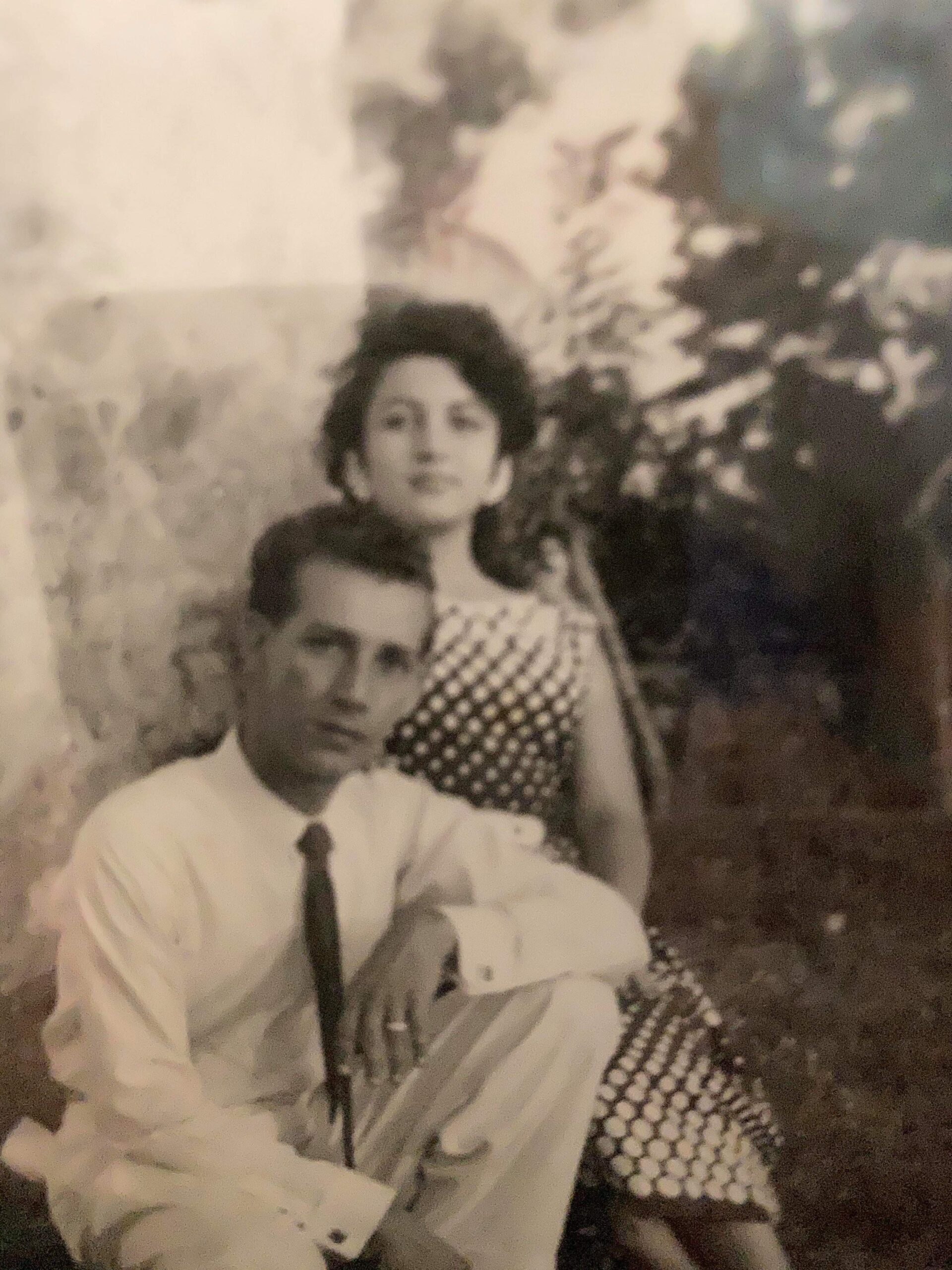
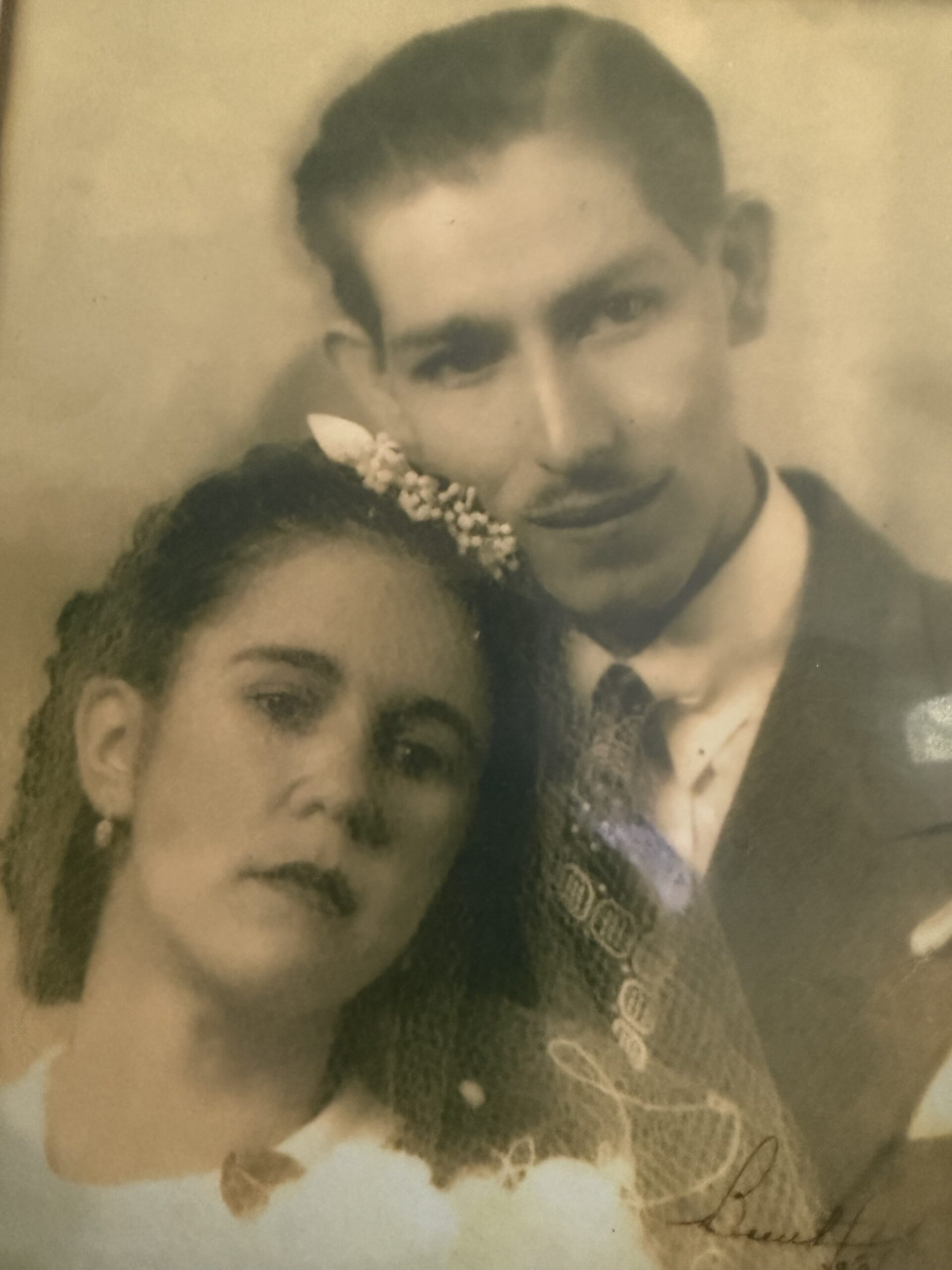
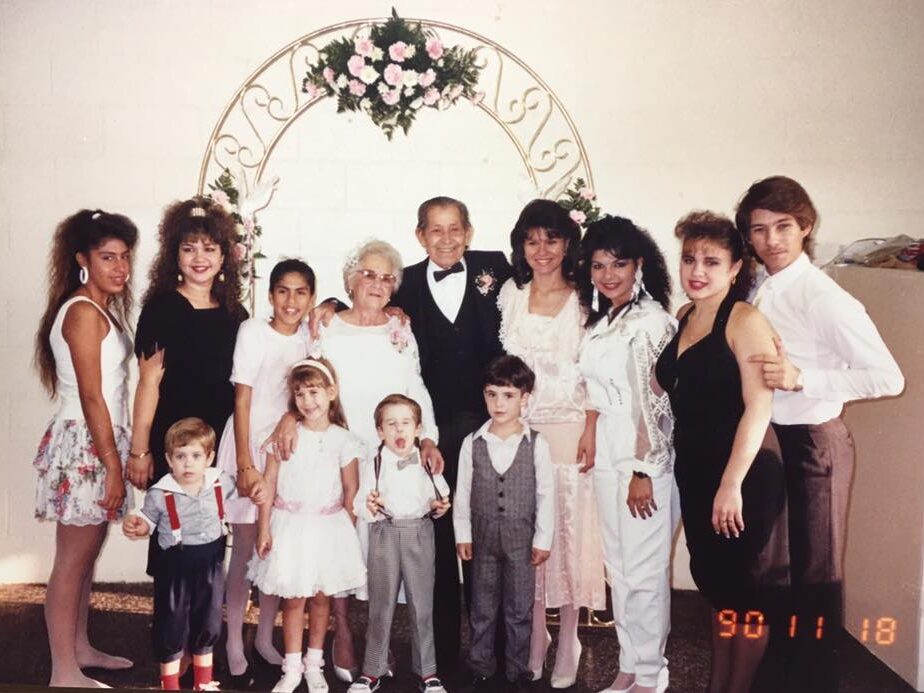
My father @Ricardo was born into this town on June 9th in 1952. He used to play in the train yard, pretending he was a conductor. Rather than work on trains, the Cuban Revolution led him to travel as a political refugee to the #United_States, where I would later be born.
God’s blessings,
Next !Story:
&RGBY:
@leonard
!ancestors_story (
&19520609) (
#ancestors:
- #basque:
- #gipuzkoa:
- #urola_valley:
- #baserriak:
- #goenaga;
- #baserriak:
- #urola_valley:
- #gipuzkoa:
- #cuba:
- #sagua_la_grande:
- #father:
- #ricardo;)
- #father:
- #sagua_la_grande: